Atyaaf: A Font with a Visual Twist
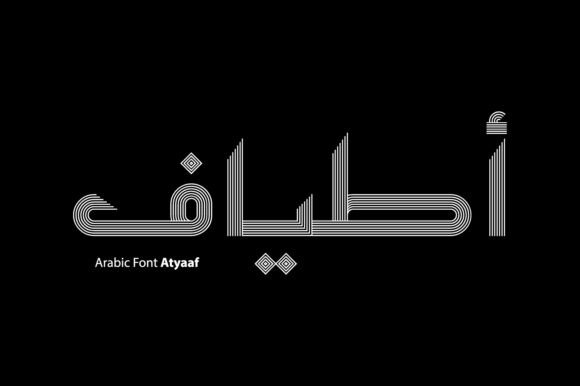
Typography is more than just arranging letters—it's about creating an experience. Among the many fonts designed for impact and clarity, Atyaaf stands out with its unique visual feature: seven parallel lines that form an optical illusion. Depending on the size at which it’s viewed, these lines either appear to connect or detach, making Atyaaf a versatile and intriguing choice for both web and print design. This font bridges the gap between artistic expression and practical usability, appealing to a wide range of professionals and creatives.
What Makes Atyaaf Unique?
Atyaaf is not your typical display font. It’s built around a clever optical trick—seven parallel lines subtly integrated into each character. When rendered in large point sizes, these lines seem to separate from the main letterform, creating a sense of movement and depth. In smaller sizes, they blend seamlessly, maintaining legibility without losing their charm. This duality makes Atyaaf a compelling option for modern designs where aesthetics and functionality must coexist.
A Contemporary Choice for Modern Designers
With clean curves and bold strokes, Atyaaf has a contemporary feel that suits minimalist and maximalist styles alike. Its Arabic script structure is elegant yet approachable, making it ideal for branding, editorial work, digital interfaces, and even packaging. Whether you're designing a logo for a startup or a magazine cover, Atyaaf offers a fresh perspective that can elevate your project’s visual appeal.
Why Different Audiences Might Care About Atyaaf
The value of Atyaaf varies depending on who is using it. For some, it might be a creative tool; for others, a strategic asset. Let’s explore how different groups might perceive and use this font.
For Beginners: A Fun Way to Learn Typography
If you're new to typography, Atyaaf serves as an excellent learning tool. Its unusual line structure introduces you to the concept of optical illusions in design, helping you understand how perception plays a role in visual communication. You could start by using it in simple projects like social media posts or personal blogs to experiment with how it behaves across different sizes and contexts.
For Professionals: A Bold Statement in Branding
Graphic designers and brand strategists often look for fonts that can make a strong impression. Atyaaf’s dynamic appearance allows it to stand out while still being readable when needed. For example, a marketing team working on a rebranding campaign for a luxury fashion label might choose Atyaaf for its tagline, leveraging the visual intrigue to capture attention and convey sophistication.
For Creators: Unleashing Artistic Potential
Artists and content creators are always searching for ways to differentiate their work. Atyaaf offers a distinctive style that can become part of a signature aesthetic. Imagine using it in a short film title sequence or a music album artwork—its shifting lines add a layer of visual storytelling that enhances the overall experience.
For Educators: Teaching Design Through Innovation
In educational settings, Atyaaf can serve as a case study in innovative typography. Teachers might use it to demonstrate how subtle design choices affect perception. Students working on projects related to Arabic language and culture can also benefit from understanding how such a font can represent tradition through a modern lens.
For Business Owners: Enhancing Brand Identity
Small business owners and entrepreneurs often need a font that reflects their personality and values. Atyaaf can help communicate creativity, modernity, and cultural pride all at once. A boutique selling handcrafted goods, for instance, might use Atyaaf on their storefront signage or product labels to create a memorable and visually engaging presence.
For Bloggers and Publishers: Adding Style to Storytelling
Blogs and magazines thrive on visual interest. Atyaaf can be used to highlight key sections, titles, or pull quotes, adding a touch of elegance and curiosity. Its adaptability ensures it won’t overwhelm readers in body text but will shine in headings and featured content, making articles more scannable and engaging.
Practical Uses Across Platforms
One of Atyaaf’s strengths is its ability to perform well in both digital and physical spaces. Here are some real-world examples of how it can be applied:
- Web Design: Use Atyaaf for headlines, banners, or interactive elements on websites. The optical illusion effect becomes more pronounced on larger screens, offering a captivating user experience.
- Print Media: Incorporate it into posters, book covers, or event flyers. In printed formats, especially at high resolution, the details of the parallel lines enhance the font’s artistic quality.
- Social Media: Create eye-catching captions or story visuals with Atyaaf. Its visual uniqueness helps content stand out in crowded feeds.
- Editorial Work: Apply it to magazine mastheads or section headers to add a modern flair while maintaining readability.
Ease of Use and Flexibility
Despite its complex visual design, Atyaaf is surprisingly easy to integrate into most design tools. Its compatibility with common software like Adobe Illustrator, Photoshop, and Figma means you can start experimenting quickly. Additionally, Atyaaf supports a broad set of glyphs, making it suitable for multilingual projects or those requiring special characters.
Considering Cost and Commercial Value
When choosing a font for commercial use, cost and licensing are important factors. Atyaaf typically offers clear licensing options, allowing users to assess whether it fits their budget and usage needs. For small businesses or independent creators, the price point may align with long-term branding goals, whereas freelancers or agencies might prefer a font with broader scalability and volume discounts.
Long-Term Usefulness and Trends
Fonts come and go with design trends, but Atyaaf’s structural innovation gives it lasting relevance. While it may not be suited for every project, its visual appeal ensures it remains a valuable addition to any designer’s toolkit. If your goal is to stay ahead of trends or offer something truly unique to clients, Atyaaf is worth considering.
How to Decide if Atyaaf Is Right for You
Deciding whether to use Atyaaf depends largely on your specific needs and the message you want to convey. Here are a few questions to consider:
- Do you need a font that balances artistic flair with readability?
- Is your audience likely to appreciate a visually unique element?
- Are you targeting a market that values cultural identity and modern aesthetics?
- Can you afford the licensing fees for your intended use?
- Will the font scale well across various platforms and mediums?
If you answered “yes” to most of these, then Atyaaf might be a great fit. However, if your project requires strict formalism or relies heavily on body text, you may find it better to pair Atyaaf with a more traditional typeface for contrast and balance.
Examples for Clarity
Let’s say you’re a blogger focusing on Middle Eastern travel guides. Using Atyaaf in your blog header could immediately draw attention and signal cultural authenticity. Conversely, if you’re a freelancer building a client portfolio site, Atyaaf might be too distracting for extended reading—better reserved for titles and call-to-action buttons.
For educators teaching graphic design, Atyaaf could be a useful example of how design thinking goes beyond basic function. It invites students to think critically about form, perception, and purpose in typography.
Final Thoughts on Atyaaf
Atyaaf isn’t just another Arabic font—it’s a statement. By blending traditional script with a modern twist, it appeals to a diverse set of users looking to innovate within their field. Whether you're a hobbyist exploring design or a professional aiming to create a striking visual identity, Atyaaf offers a unique opportunity to engage audiences through thoughtful typography.