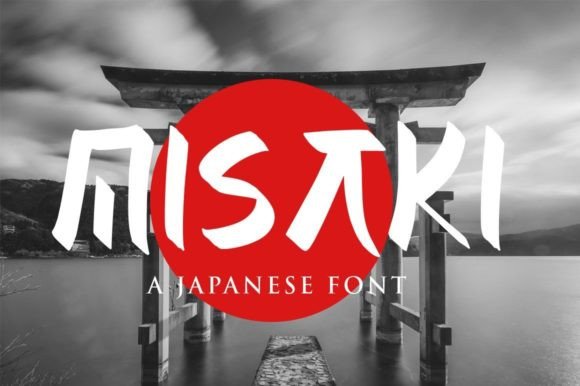
Misaki: A Versatile Display Font for Modern Design
Misaki is a Japanese-inspired display font that brings clarity and elegance to visual projects. Its clean, bold lines and intuitive character structure make it a standout choice for designers who want to add a touch of sophistication without compromising readability. Whether you're creating branding materials, editorial layouts, or digital content, Misaki offers the perfect balance between aesthetic appeal and functional design.
What Makes Misaki Unique?
At first glance, Misaki may seem like any other modern sans-serif typeface, but its roots in Japanese typography give it a distinct personality. The font features subtle serifs at the ends of strokes, which are characteristic of traditional Japanese calligraphy, while maintaining a contemporary look that aligns with global design trends. This blend of heritage and innovation makes Misaki especially appealing to those looking to incorporate cultural nuance into their work.
Its high legibility means it can be used effectively at both large and small sizes, making it suitable for headlines, logos, signage, and even body text in certain contexts. Misaki supports multiple languages, including Latin and Japanese scripts, which broadens its applicability across international markets and multilingual content.
Who Benefits from Using Misaki?
The beauty of Misaki lies in its adaptability. It serves different needs for various professionals and hobbyists depending on their goals and project requirements. Here’s how different audiences might find value in this font:
Beginners: A Gateway to Professional Typography
For beginners exploring font choices for the first time, Misaki is an excellent starting point. Its straightforward design avoids unnecessary complexity, helping new users focus on layout and composition rather than deciphering letterforms. A blogger designing a personal website might choose Misaki for its modern feel and ease of integration with web platforms like WordPress or Wix.
Thanks to its clear structure, Misaki doesn’t overwhelm novice designers. It allows them to experiment with typography without feeling like they’re using something too advanced or niche. Plus, since it works well in many environments—digital, print, or signage—it gives beginners confidence that their designs will look professional no matter where they appear.
Professionals: Elevating Brand Identity
Graphic designers and marketing professionals often seek fonts that communicate trust, creativity, and clarity. Misaki fits these criteria perfectly, especially when used in brand identities for businesses targeting a global or culturally diverse audience. For example, a restaurant chain aiming to evoke a sense of Japanese tradition while remaining accessible to non-Japanese customers might use Misaki for logo design and menu typography.
Professionals also appreciate the font's reliability. With support for multiple languages and consistent spacing, it reduces the need for additional font substitutions in multilingual campaigns. This ensures that the brand voice remains cohesive across all markets.
Creators and Freelancers: Flexibility Meets Style
Content creators and freelancers working in photography, video production, or social media design benefit from Misaki’s ability to complement visuals without overshadowing them. A YouTuber producing travel vlogs focused on Japan could pair Misaki with nature scenes to create a harmonious aesthetic that feels authentic and stylish.
Freelancers who offer design services to clients in different industries may find Misaki to be a go-to font due to its versatility. It can be used in everything from wedding invitations to tech startup brochures, adapting seamlessly to varied themes and styles.
Business Owners: Building Trust Through Typography
Small business owners often rely on typography to establish credibility and brand identity. Misaki’s balanced proportions and refined details help create a polished look that resonates with both local and international customers. A boutique shop selling artisanal goods might use Misaki in packaging and store signage to reflect quality craftsmanship and attention to detail.
Additionally, because Misaki is easy to read, it enhances user experience—whether printed on a business card or displayed on a mobile-friendly website. This is particularly important for entrepreneurs who want to ensure their message is clear and impactful across all customer touchpoints.
Marketers and Bloggers: Enhancing Digital Content
In the world of digital marketing and blogging, Misaki can serve as a strong visual anchor. Marketers running email campaigns or landing pages might use it to highlight key phrases such as “Limited Offer” or “Join Now,” leveraging its bold presence to guide reader attention.
Bloggers who prioritize both aesthetics and accessibility can use Misaki in headings or pull quotes. Its ability to render clearly on screens of all sizes helps maintain readability, which is essential for keeping readers engaged and reducing bounce rates.
Educators and Publishers: Supporting Multilingual Learning
Educators involved in language learning or cross-cultural studies may find Misaki to be a valuable resource. The font's dual-language support makes it ideal for bilingual textbooks, educational posters, or interactive learning tools. When paired with Japanese kanji or hiragana characters, it provides a cohesive typographic experience that aids comprehension and engagement.
Publishers looking to create visually appealing yet readable books or magazines can also benefit. Misaki adds a refined edge to book covers and chapter titles, making them more inviting to readers who appreciate elegant design.
How to Choose the Right Use Case for Misaki
While Misaki is incredibly versatile, it’s not always the best fit for every situation. Consider the following factors before deciding whether to use it:
- Project Type: Is your design primarily visual or text-heavy? Misaki excels in mixed-use scenarios but may not be ideal for long paragraphs of dense text.
- Audience Demographics: Who will see your design? If your target audience values minimalism and modernity, Misaki will resonate well. If you're working with a group that prefers highly decorative or script fonts, it may not be the right match.
- Language Requirements: Does your project involve Japanese or other East Asian scripts? Misaki's built-in support for these languages makes it a natural choice for such content.
- Medium: Will your design be viewed online, in print, or on signage? Misaki adapts well to all three, but you should always preview it in context to ensure it meets your specific needs.
Practical Applications of Misaki
Here are some real-world examples of how Misaki can enhance your design projects:
- Restaurant Branding: Use Misaki for menus, signage, and promotional materials to evoke a clean, modern Japanese ambiance.
- Editorial Design: Apply it to magazine covers, article headers, or infographic titles for a professional yet approachable look.
- Digital Advertising: Incorporate it into banners or social media ads for eye-catching headlines that stand out without being overwhelming.
- Product Packaging: Feature it on labels or product boxes to convey quality and cultural authenticity.
- Portfolio Websites: Showcase your work with a font that balances style and usability, ensuring your content is easy to navigate and visually engaging.
Comparing Misaki with Other Fonts
When choosing a font, it's helpful to compare options based on your specific needs. Here’s how Misaki stacks up against similar display fonts:
- Roboto: While Roboto is great for UI/UX design and web readability, it lacks the unique cultural flair of Misaki. It’s more neutral and less expressive.
- Noto Sans: Noto offers broad language support, but its uniformity can sometimes feel generic. Misaki stands out by combining Japanese stylistic elements with a globally usable design.
- Montserrat: Montserrat is popular for its modern, geometric style, but it may not provide the same level of subtlety or refinement as Misaki in certain contexts.
Is Misaki Right for You?
If you're looking for a font that bridges traditional and modern design, Misaki could be the perfect choice. It’s especially useful if your work involves Japanese culture, multilingual content, or a need for a bold yet readable display font. However, if your project requires a very ornate or cursive style, or if you’re dealing with extensive body copy, you might consider alternatives.
To determine if Misaki suits your purpose, ask yourself:
- Do I need a font that reflects cultural authenticity?
- Will my design require multiple languages?
- Am I prioritizing readability in a bold, stylized format?
- Does my audience value clean, minimalist design?
Answering these questions honestly can help you decide whether Misaki aligns with your creative vision.
Getting Started with Misaki
Using Misaki is simple and intuitive. Most design software, including Adobe Illustrator, Photoshop, and InDesign, supports it easily. For web developers, the font is available in standard formats like OTF and TTF, and can be integrated via CSS for responsive websites.
If you're unsure where to begin, start by downloading a free version (if available) and testing it on mockups of your intended project. See how it looks on both screens and printed materials. You can also pair it with complementary fonts for a layered typographic system that maintains hierarchy and visual interest.
Final Thoughts
Misaki is more than just a pretty font—it's a tool that can help you connect with your audience through thoughtful design. Whether you're crafting a brand identity, enhancing a digital campaign, or supporting multilingual education, this font offers a unique combination of style and functionality. As with any design choice, the key is to use it intentionally and in alignment with your overall message and goals.
Typography plays a powerful role in shaping perception. Choosing Misaki isn't just about aesthetics; it's about making a statement that’s clear, confident, and culturally aware. So take a closer look at what this font can do—and let it inspire your next creative endeavor.