Quaking: A Bold, Futuristic Font for Modern Design Needs
In the world of digital design and branding, typography plays a crucial role in shaping how audiences perceive your message. Choosing the right font can elevate a project from ordinary to extraordinary, especially when it needs a fresh, forward-thinking aesthetic. Enter Quaking, a display font that captures attention with its bold, futuristic vibe. Ideal for projects requiring a sci-fi or high-tech feel, Quaking is more than just a stylish choice—it’s a practical solution for designers aiming to make an impact.
What Is Quaking?
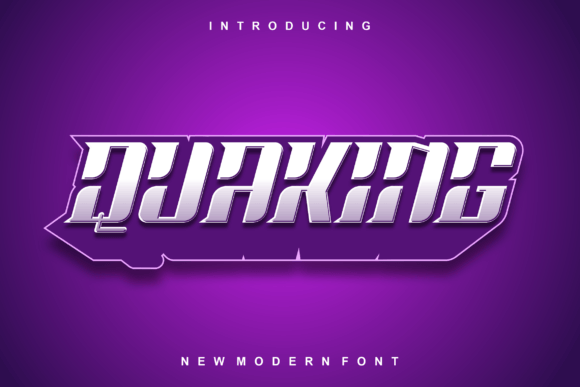
Quaking is a modern display font designed to stand out in any visual context. It features sharp angles, exaggerated strokes, and a dynamic structure that evokes imagery of advanced technology and space-age innovation. Unlike traditional fonts that prioritize readability at all sizes, Quaking is optimized for larger formats where its unique character shapes and energy can shine. This makes it particularly well-suited for headlines, logos, posters, and other creative applications where visual appeal takes precedence over body text legibility.
With roots in contemporary sans-serif styles but infused with a sense of movement and edge, Quaking brings a cinematic quality to your designs. Whether you're creating a promotional poster for a tech startup or designing a title sequence for a science fiction film, this font delivers a strong first impression that aligns with futuristic themes.
Common Challenges in Display Typography
Designers often face several challenges when selecting a display font:
- Standing Out: In a saturated market, it's essential to capture attention quickly. Generic or overly used fonts can dilute your brand’s uniqueness.
- Matching the Theme: Certain industries—like gaming, automotive, or digital marketing—require fonts that reflect their core identity. Finding one that resonates with a futuristic or high-energy concept isn't always easy.
- Legibility vs. Style: Many bold or stylized fonts sacrifice readability, especially at smaller sizes. However, in large-scale visuals, style becomes more important than micro-readability.
- Consistency Across Platforms: Ensuring that a chosen font renders consistently across different devices and platforms is vital for professional results.
These issues are not only technical but also aesthetic. The right font must balance creativity with functionality to serve both the designer and the viewer effectively.
How Quaking Addresses These Needs
Quaking excels in overcoming many of these common hurdles by offering a compelling blend of form and function. Its design is clean enough to maintain clarity in large sizes while being distinctive enough to command focus. This makes it ideal for use in:
- Marketing materials
- Event promotions
- Game UI elements
- Social media headers
- Titles for websites and apps
By integrating Quaking into your design workflow, you’re not just choosing a font—you're adopting a tool that helps communicate a bold vision. Its structure supports high contrast and strong visual hierarchy, making it easier to highlight key messages without overwhelming the rest of the layout.
Practical Applications of Quaking
One of the most powerful aspects of Quaking is its versatility in various contexts. Here are some real-world scenarios where it can be highly effective:
1. Branding for Tech Startups
When launching a new tech company or rebranding an existing one, Quaking can help establish a cutting-edge image. Its angular forms and confident presence suggest innovation and speed—qualities that resonate strongly in the tech industry. Pair it with minimalist layouts and vibrant colors to create a modern logo that speaks volumes about your company's direction.
2. Event Posters and Promotional Materials
Whether it's for a music festival, product launch, or virtual conference, event posters need to grab attention fast. Quaking provides that instant visual punch, helping your event stand out in crowded digital spaces. Consider using it for main titles or taglines, ensuring it complements the supporting graphics and color schemes without clashing.
3. Website Headers and App Titles
Websites and mobile apps often rely on striking headers to draw users in. Quaking works particularly well for hero sections, app names, and feature highlights. Just ensure that it's used sparingly—reserving it for primary headings will keep your site looking cohesive and professional.
4. Gaming and Interactive Media
The gaming industry thrives on immersive aesthetics, and Quaking fits perfectly within that realm. Use it for menu buttons, level names, or promotional banners to reinforce a game’s sci-fi or cyberpunk theme. Its ability to convey urgency and motion aligns well with the adrenaline-driven nature of many games.
Recommendations for Using Quaking Effectively
To maximize the impact of Quaking in your designs, consider the following best practices:
- Use it Sparingly: While Quaking is visually striking, overusing it can lead to a cluttered look. Save it for headlines or key phrases where it can take center stage.
- Pair with Complementary Fonts: For body text or subheadings, choose a simpler, more readable font like Helvetica or Roboto. This ensures your content remains accessible while still benefiting from Quaking’s bold presence.
- Experiment with Color and Effects: Because of its high-contrast structure, Quaking looks great in monochrome settings or with subtle gradients and lighting effects. Don’t hesitate to play with shadows, outlines, or glows to enhance its futuristic appeal.
- Consider Background Context: Ensure there’s sufficient contrast between the font and the background. Light-colored versions of Quaking work well on dark backgrounds, while darker variants pop against light or gradient backdrops.
Additionally, always test how Quaking appears across different screen sizes and resolutions. While it’s designed for large displays, understanding how it scales down can help you avoid potential issues when applying it to digital interfaces or responsive web designs.
Who Can Benefit Most from Quaking?
Although Quaking is a display font, its utility varies depending on the user’s specific goals. Here’s how different professionals might approach it:
- Graphic Designers: Those working on editorial layouts, posters, or social media assets will appreciate how Quaking adds a dramatic flair to otherwise static designs. It’s perfect for clients in the entertainment or tech sectors.
- Web Developers: When building landing pages or splash screens for SaaS products, Quaking can be used as a stylistic header to create a memorable first impression. Be sure to implement fallback fonts for accessibility and cross-browser compatibility.
- Content Creators: Influencers or YouTubers focused on tech reviews, gaming, or futurism can use Quaking in thumbnails or video intros to build a consistent visual identity that stands out from the competition.
- Entrepreneurs and Marketers: If you’re promoting a product or service with a high-tech angle, incorporating Quaking into your branding toolkit can instantly communicate innovation and forward-thinking.
Why Choose Quaking Over Other Fonts?
Many display fonts claim to offer a futuristic look, but few manage to do so without feeling gimmicky or unprofessional. Quaking avoids this pitfall by maintaining a structured, balanced design that feels intentional rather than chaotic. Its characters have a rhythmic flow that gives it a natural readability in large formats, which is rare among heavily stylized fonts.
Another advantage is its adaptability. Depending on the weight and spacing options available, Quaking can be tailored to suit everything from sleek corporate presentations to gritty indie game menus. This flexibility allows it to grow with your brand or project as your needs evolve.
Getting Started with Quaking
If you’re ready to incorporate Quaking into your next project, here’s a quick guide to get you started:
- Acquire the Font: Make sure you have the proper license for commercial or personal use. Always source fonts from reputable providers to avoid legal issues.
- Install and Test: Install Quaking on your system or through a web font service. Experiment with how it looks in different environments before finalizing your design.
- Create a Mood Board: Visualize how Quaking will interact with your color palette, imagery, and overall theme. This step helps prevent clashes and ensures a harmonious design outcome.
- Optimize for Web or Print: If you’re using Quaking online, compress the font file size for faster loading. For print, verify that the font is embedded correctly and retains its quality at various resolutions.
Remember, the goal is not just to use Quaking—but to use it well. Thoughtful implementation will yield better results than simply slapping it onto every headline without consideration.
Final Thoughts
Quaking is more than just a cool-looking font—it’s a strategic asset for anyone aiming to infuse their work with a modern, tech-forward sensibility. Whether you're a designer, marketer, or developer, its bold, futuristic style can help you meet your visual communication goals with confidence and clarity. By addressing the need for standout typography in today’s competitive landscape, Quaking proves itself to be a valuable addition to your creative arsenal.
So if you're looking to give your next project a little more edge—or a full-on sci-fi transformation—consider letting Quaking do the talking. With the right approach, it can become a defining element of your brand’s visual identity and set your designs apart in meaningful ways.