Shadow Box: A Bold New Handwritten Display Font
Fonts shape the visual identity of everything we see, from logos and ads to social media posts and packaging. Choosing the right one can elevate a design from ordinary to extraordinary. Shadow Box is a new handwritten display font that brings a fresh, expressive energy to creative projects. Its unique character and bold presence make it ideal for designers looking to add personality and flair without compromising clarity or professionalism.
What Makes Shadow Box Stand Out?
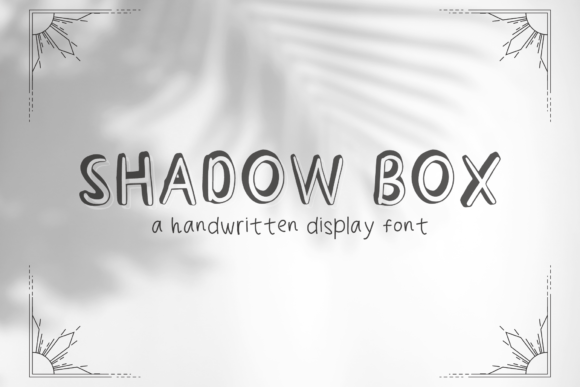
At first glance, Shadow Box commands attention with its striking contrast and dynamic strokes. Designed to mimic the organic flow of handwriting, it retains a sense of authenticity while delivering the polish needed for professional applications. This balance makes it versatile enough to suit both artistic and commercial needs.
The font features exaggerated letterforms with subtle shadowing effects, giving it a layered, three-dimensional feel. Each character is crafted with precision, ensuring legibility even when used in larger formats. The shadows add depth and movement, making it especially effective for designs where you want text to pop visually without overwhelming other elements.
Handwritten Fonts vs. Display Fonts: Where Shadow Box Fits
Traditional handwritten fonts often lean toward casual, informal styles—perfect for notes, journals, or personal signatures. On the other hand, display fonts are typically used for headlines and titles, offering stylistic flair at the expense of readability in smaller sizes. Shadow Box bridges this gap by combining the warmth of handwriting with the impact of a display font. It’s readable yet distinctive, making it an excellent choice for projects that demand both style and substance.
Creative Uses for Shadow Box
Whether you're designing for print or digital platforms, Shadow Box offers a range of possibilities. Here are some compelling use cases where this font shines:
- Photography Watermarks: For photographers seeking to brand their images subtly but memorably, Shadow Box adds a signature touch that feels personal and impactful.
- Social Media Posts: In the fast-moving world of Instagram, Facebook, and Twitter, standing out matters. Shadow Box helps your text catch the eye in banners, quotes, or promotional graphics.
- Logo Design and Branding: Startups and small businesses aiming for a modern, memorable logo will find Shadow Box's stylized characters perfect for creating a strong visual identity.
- Wedding Invitations and Event Design: With its elegant and dramatic look, Shadow Box fits beautifully into event-based typography, adding a romantic or sophisticated vibe.
- Product Packaging and Labels: Use Shadow Box on product labels or packaging to create a tactile, handcrafted feel that resonates with consumers seeking authenticity.
How Marketers Can Use Shadow Box Effectively
Marketers often need to grab attention quickly and communicate a message clearly. Shadow Box works well in this context because it allows for bold, expressive headlines that don’t sacrifice readability. Try using it in campaign posters, email headers, or YouTube thumbnails to draw viewers in. Pair it with minimalist layouts and neutral color schemes to let the font take center stage while maintaining a clean aesthetic.
For example, if you're promoting a boutique skincare line, applying Shadow Box to the tagline “Naturally Radiant” creates a warm, inviting tone. It suggests craftsmanship and care, aligning with the brand's ethos.
Designers and Freelancers: Expanding Your Toolkit
Freelance designers and creative professionals always look for fonts that set their work apart. Shadow Box is a great addition to any portfolio because it’s adaptable across industries—from fashion to food photography, from branding to editorial design.
One practical tip is to use it sparingly. Because of its high contrast and boldness, it’s best suited for accents, headings, or short phrases rather than large blocks of text. Layering it with sans-serif or serif fonts can help maintain balance in your compositions. For instance, pairing Shadow Box with Helvetica Neue in a poster design can highlight key messages while keeping the body copy easy to read.
Bloggers and Content Creators: Adding Personality to Digital Spaces
If you’re a blogger or content creator, your website’s typography plays a big role in how visitors perceive your brand. Shadow Box can be used creatively in blog headers, pull quotes, or call-to-action buttons. It adds a human element to digital content, helping you connect more deeply with your audience.
Consider using Shadow Box in a quote section on your blog. A standout phrase like “Live Curiously” or “Create Daily” can become a powerful visual motif that reinforces your content’s tone and purpose. Just remember to keep the background simple so the text remains legible and accessible.
Practical Tips for Using Shadow Box in Projects
Here are a few grounded strategies to ensure Shadow Box enhances your design effectively:
- Use Proper Contrast: Ensure there’s enough contrast between the text and the background. Darker shades of Shadow Box against light backgrounds tend to work best for maximum visibility.
- Test Across Platforms: If you're using Shadow Box online, test it on different devices and screen sizes. Avoid overly complex layers or gradients that might not render consistently across all browsers.
- Keep It Organized: When using Shadow Box alongside other fonts, maintain a clear typographic hierarchy. Let it serve as a headline font, and use complementary typefaces for subheadings and body text.
- Experiment with Layouts: Don’t just stick to horizontal lines. Try rotating the text, arranging it around shapes, or integrating it into photos for a more engaging layout.
- Stay Consistent: Whether you're working on a series of social media posts or a multi-page brochure, consistency in how you apply Shadow Box will help reinforce your brand identity.
Real-World Examples of Shadow Box in Action
To illustrate how Shadow Box can be applied practically, here are a few scenarios:
- A coffee shop owner uses Shadow Box on branded cups and signage. The font gives the brand a cozy, artisanal feel that appeals to customers who value quality and uniqueness.
- A freelance photographer incorporates Shadow Box into her watermark. The handwritten effect feels personal, yet the boldness ensures it remains visible and professional.
- An event planner selects Shadow Box for a luxury wedding invitation suite. The dramatic lettering adds a touch of elegance and sets the tone for an unforgettable celebration.
- A startup founder chooses Shadow Box for his company’s tagline. The font reflects innovation and creativity, perfectly matching the brand’s mission.
Adapting Shadow Box for Different Audiences and Formats
Shadow Box isn’t just a single-use font—it can be tailored to fit various contexts. Here’s how different audiences might approach it:
Entrepreneurs and Small Businesses
Entrepreneurs should consider using Shadow Box in brand collaterals such as business cards, packaging, or storefront signs. It conveys a sense of originality and passion, which are key traits for startups trying to stand out. To keep it professional, pair it with simpler fonts in supporting text and avoid overusing it in lengthy descriptions.
Educators and Publishers
Educators might use Shadow Box in classroom posters or presentation slides to make educational content more engaging. Publishers could incorporate it into book covers or magazine spreads to give a title extra visual weight. In these cases, readability is essential, so use it only for headlines or chapter titles.
Hobbyists and DIY Enthusiasts
For hobbyists working on personal projects like scrapbooking, greeting cards, or home decor, Shadow Box can inject creativity and charm. Experiment with tracing the letters by hand or printing them on textured paper for a more tactile experience. The font’s distinctiveness makes it ideal for personalized touches that reflect individual style.
Marketers and Advertisers
In advertising, Shadow Box can serve as a headline font that communicates urgency or excitement. Think about using it in limited-time offers or seasonal promotions. Combine it with vibrant colors or motion graphics in video ads to enhance its visual appeal. However, always prioritize accessibility—avoid using it in low-contrast situations or for people with dyslexia or visual impairments.
Why Choose Shadow Box Over Other Handwritten Fonts?
While many handwritten fonts exist, Shadow Box distinguishes itself through its structured yet fluid appearance. Unlike ultra-casual scripts that may lack formality, Shadow Box maintains a level of sophistication suitable for branding. At the same time, it doesn’t feel too rigid like traditional display fonts, allowing for creative freedom in expression.
Its shadowed stroke effect also adds a subtle layer of intrigue, making it particularly effective in print and digital marketing. It invites viewers to pause and engage, which is valuable for content that aims to be remembered.
Getting Started with Shadow Box
Ready to bring Shadow Box into your next project? Begin by downloading the font and testing it in a few sample designs. Consider the following steps to integrate it smoothly:
- Download and install Shadow Box from a trusted font marketplace or supplier.
- Open your design software (like Adobe Photoshop or Illustrator) and select the font.
- Try it in different weights and styles if available, to see which best suits your project.
- Adjust spacing and size to ensure it looks balanced and reads clearly.
- Save your design with proper resolution and format for your intended platform (print or web).
Remember to always consider your audience. Shadow Box is bold and expressive, so it works best for brands or projects that want to convey confidence and creativity.
Conclusion
Shadow Box is more than just another font—it’s a tool for storytelling and visual impact. Whether you're a designer, marketer, or entrepreneur, this font can help you communicate more effectively and express your brand with flair. By understanding its strengths and limitations, you can use it strategically to enhance your creative output and connect meaningfully with your audience.
So go ahead—experiment with Shadow Box in your next project. Let it inspire new ideas, and discover how a single font can transform your designs into something truly memorable.