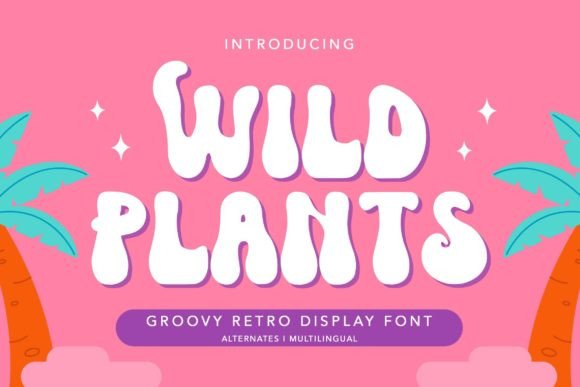
Wild Plants Font: A Retro Display Font with a Distinctive Flair
In the world of design, choosing the right font can make all the difference. Whether you're creating a logo, designing wedding invitations, or crafting social media content, typography plays a crucial role in capturing attention and conveying your brand’s personality. One standout option for designers who want to add a unique touch is the Wild Plants font. This retro display font blends vintage charm with modern versatility, making it a favorite among creative professionals.
What Makes Wild Plants a Great Choice?
Wild Plants is more than just another pretty font. It stands out due to its bold character set and the nostalgic vibe it brings to any project. With roots in classic typographic styles, this font offers a fresh twist that aligns well with contemporary design trends. Its retro aesthetic makes it especially popular for branding projects that aim to evoke a sense of authenticity, warmth, or creativity.
The font's organic shapes and flowing lines mimic the natural beauty of flora, giving it a name that's both poetic and fitting. The subtle irregularities in letterforms add a handcrafted feel, which is perfect for designs where a bit of imperfection enhances the overall appeal. This characteristic is particularly useful when working on product packaging, stationery, or photography layouts that benefit from a less rigid, more artistic presentation.
PUA Encoding: Why It Matters
One of the key features that make Wild Plants so user-friendly is its PUA (Private Use Area) encoding. This means that all special glyphs, ligatures, and swashes are easily accessible through your design software using a simple pop-up menu. No need to manually adjust characters or rely on complex keyboard shortcuts. PUA encoding ensures that even beginners can take full advantage of the font’s extensive character set without a steep learning curve.
This accessibility allows for greater creativity in your workflow. You can quickly switch between standard letters and stylized versions to enhance the visual appeal of your text. For instance, adding a floral flourish at the end of a sentence in a label or an invitation becomes effortless and intuitive.
Where Can You Use Wild Plants?
- Branding Projects: From logos to business cards, Wild Plants adds a distinctive identity to your brand. Its retro style works well for eco-conscious businesses, artisanal products, or companies with a vintage-inspired theme.
- Wedding Designs: The elegant curves and decorative elements of this font give wedding invitations, programs, and signage a romantic, nature-inspired look. It’s ideal for rustic or botanical-themed weddings.
- Social Media Posts: In a digital landscape filled with minimalist fonts, Wild Plants helps your content stand out. It’s great for headers, quotes, or promotional graphics that demand attention.
- Product Packaging: If you're selling handmade candles, skincare items, or gourmet foods, this font can elevate your packaging design by suggesting quality, care, and a connection to nature.
- Labels & Product Design: Whether you're labeling jars, bottles, or clothing tags, the font's legibility combined with its ornate details makes it suitable for short, impactful phrases.
- Photography & Watermarks: When used as a watermark or overlay on photos, Wild Plants can subtly reinforce your brand while maintaining a soft, non-intrusive presence.
- Invitations & Stationery: Birthdays, anniversaries, and other events become more visually engaging with this font. It adds a personal, hand-crafted touch that printed materials often lack in today's digital age.
Pairing Wild Plants with Other Fonts
Because Wild Plants is a display font—meant for headlines and short text—it pairs best with clean, readable typefaces for body copy. Here are some practical recommendations:
- Montserrat: A modern sans-serif that balances the wildness of Wild Plants with crisp simplicity.
- Lora: A serif font with a timeless elegance that complements the organic nature of Wild Plants.
- Raleway: Offers a sleek contrast, allowing Wild Plants to shine without overwhelming the layout.
When mixing fonts, remember to maintain hierarchy and ensure readability. Use Wild Plants for titles and Montserrat or Lora for descriptions or body text. This combination will help your message stay clear while still being stylish and eye-catching.
Real-World Applications and Examples
Let’s explore how Wild Plants can be applied in various real-world scenarios:
1. Eco-Friendly Branding
Imagine launching a new line of plant-based cosmetics. Using Wild Plants for your logo instantly communicates a connection to nature. Pair it with a muted color palette and earthy textures, and you have a cohesive brand image that speaks directly to your target audience.
2. Wedding Invitations
A botanical-themed wedding could use Wild Plants for the main title of the invitation. Add a few stylized letters or flourishes to the names of the couple, and you’ll create a design that feels personal and elegant. Many couples prefer this kind of customization over generic templates.
3. Social Media Graphics
For a small business promoting their latest herbal tea blend, a post using Wild Plants for the headline can immediately grab attention. The retro feel suggests tradition and craftsmanship, qualities that resonate with consumers looking for authentic products.
4. Vintage-Inspired Merchandise
Merchandise like t-shirts, mugs, or tote bags designed with a retro aesthetic can benefit from Wild Plants. Think about a slogan like “Back to Nature” styled in this font. The result is not only stylish but also thematically consistent with the product's message.
Why Designers Love Wild Plants
Designers choose Wild Plants because it’s versatile yet specific enough to leave a lasting impression. Here are a few reasons why it continues to gain popularity:
- High Visual Impact: The font commands attention without being over the top, making it suitable for both print and digital formats.
- Easy to Customize: Thanks to the PUA-encoded glyphs, users can tweak individual characters to match their creative vision.
- Adaptable Across Industries: From fashion to food, art to advertising, Wild Plants fits into a wide range of niches and aesthetics.
- Handwritten Feel: The slight imperfections in the strokes give the font a human-like touch, which is increasingly sought after in a time dominated by digital perfection.
Additionally, Wild Plants is a great choice for those aiming to differentiate themselves in crowded markets. In a sea of similar brands, a unique font like this can help you carve out a memorable identity.
Considerations Before Choosing Wild Plants
While Wild Plants is incredibly expressive, it’s important to consider the context before using it extensively. Here are a few tips to keep in mind:
- Use sparingly in long texts: As a display font, it’s not ideal for body copy. Reserve it for headings, logos, and short phrases.
- Ensure contrast with background: The intricate details of Wild Plants can get lost if not properly highlighted. Always test it against different colors and textures.
- Check licensing for commercial use: Before using it in a professional project, confirm that the font license allows for commercial applications. Some free versions may restrict usage.
Also, think about the tone of your project. While it's excellent for creative and casual themes, it might not be the best fit for formal corporate communications. However, in the right setting, it can turn a simple phrase into something truly memorable.
How to Get Started with Wild Plants
If you’re ready to incorporate Wild Plants into your next project, here’s a quick guide to getting started:
- Download the font: Make sure to obtain it from a trusted source to avoid issues with quality or licensing.
- Install on your device: Most design tools like Adobe Illustrator, Photoshop, or InDesign support custom fonts once they're installed.
- Experiment with glyphs: Open the glyph panel in your software and try different variations to see what works best for your layout.
- Adjust spacing and size: Since the font has decorative elements, it may require some fine-tuning to ensure it looks balanced and harmonious.
Once you've got the hang of it, you’ll find yourself reaching for Wild Plants again and again. It’s one of those fonts that feels like a secret weapon in your design toolkit.
Styling Tips for Maximum Effect
To make the most of Wild Plants, consider these styling techniques:
- Layering with textures: Combine the font with parchment paper, wood grain, or leaf patterns to enhance the retro feel.
- Color choices: Earth tones like greens, browns, and warm golds work exceptionally well. Avoid overly bright or neon colors unless you're going for a bold contrast.
- Adding shadows or outlines: These effects can help the text stand out, especially when placed over busy backgrounds.
- Using it in gradients: Apply a subtle gradient from light to dark green to emphasize depth and a natural look.
These small tweaks can transform your design from good to exceptional. Remember, the goal is to let the font speak while ensuring it doesn't overshadow the message or visuals it accompanies.
Final Thoughts on Integrating Wild Plants
Fonts are more than just letters—they're a reflection of your brand, your message, and your creative intent. Wild Plants is a powerful tool for designers who want to infuse their projects with personality and flair. Whether you're working on a high-end product launch or a cozy home studio project, this font can bring a touch of retro elegance that resonates with audiences across multiple platforms.
Its PUA encoding makes it easy to customize, and its adaptability across industries proves that it's more than just a trend. It's a timeless asset in the right hands. So next time you're looking for a font that stands out, don’t forget to reach for Wild Plants. Your design—and your clients—will thank you for it.