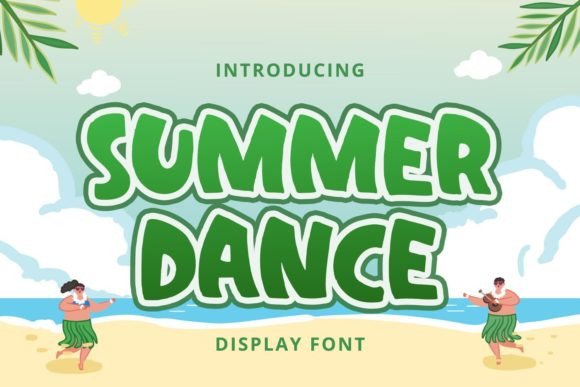
Choosing the Right Font: When Summer Dance Fits Perfectly
Fonts play a crucial role in visual communication, shaping how messages are perceived and experienced. Among the many options available, Summer Dance stands out as a unique and expressive choice. As a display font, it’s designed to capture attention with its fun and joyful character. This article explores what makes Summer Dance special, when it might be the right fit for your project, and when you might consider alternatives.
What Is Summer Dance?
Summer Dance is a playful and authentic display font that evokes warmth, creativity, and lightheartedness. Its design features rounded edges, flowing strokes, and a sense of spontaneity, making it visually engaging without being overly complex. Unlike more traditional or formal fonts, Summer Dance brings a sense of informality and charm to any design.
As a display font, it’s not intended for long blocks of text but shines in headlines, titles, logos, and other prominent typographic elements. It’s often used in branding, marketing materials, social media content, and creative projects where personality and emotion are key components.
Why Consider Summer Dance?
There are several reasons why designers and creators might choose Summer Dance:
- Emotional Impact: The font conveys joy and positivity, which can help set a cheerful tone for a project.
- Brand Personality: For brands aiming to appear friendly, approachable, or youthful, Summer Dance offers an ideal visual representation.
- Design Versatility: While best suited for short text, it works well across various mediums, from digital banners to print-based posters.
- Memorability: Unique fonts like Summer Dance can make a message stand out and leave a lasting impression on viewers.
Benefits and Tradeoffs
Using Summer Dance comes with clear benefits, especially for specific applications. Its lively style can breathe life into otherwise dull designs and align with seasonal or thematic content such as summer events, festivals, or children's products.
However, there are tradeoffs to consider. Because it’s a decorative display font, it may not be suitable for body text due to readability concerns. Overuse can also dilute its impact or make a design feel cluttered. Additionally, it may not convey professionalism or seriousness, so it’s essential to evaluate whether the font supports the intended message and audience expectations.
Key Benefits:
- High visual appeal for attention-grabbing use cases
- Ideal for creating a warm and inviting brand image
- Works well in both digital and print formats
Potential Drawbacks:
- Not appropriate for large amounts of text
- Limited legibility at smaller sizes or in low-contrast environments
- May clash with more formal or minimalist design aesthetics
Situations Where Summer Dance Excels
Summer Dance is most effective in scenarios where its characteristics complement the overall goal. These include:
- Seasonal Campaigns: Marketing around summer themes, vacations, or outdoor activities can benefit from the font’s upbeat vibe.
- Children’s Products: The playful nature of the font aligns well with educational toys, books, or entertainment aimed at younger audiences.
- Creative Branding: Startups or small businesses with a fun, vibrant identity might find Summer Dance to be a strong match.
- Social Media Graphics: Posts, stories, or ads that aim to evoke positivity or share lighthearted content can leverage the font effectively.
- Event Promotions: Concerts, parties, or community gatherings often require fonts that reflect energy and excitement—qualities Summer Dance embodies.
When to Consider Alternatives
While Summer Dance is a great option in many contexts, it’s not universally applicable. In professional or corporate settings, such as financial reports, legal documents, or business presentations, a more conventional sans-serif or serif font would likely be more appropriate.
Additionally, if your design requires high readability across multiple languages or accessibility standards, you should opt for a font that maintains clarity and consistency. Decorative fonts like Summer Dance can sometimes hinder comprehension for people with dyslexia or visual impairments.
Another consideration is the context of use. If you're designing for a serious topic, such as healthcare, technology, or education, a font with a neutral tone may better support your message. Always ensure the font you choose aligns with your target audience’s preferences and the purpose of the communication.
Practical Tips for Using Summer Dance
To make the most of Summer Dance, keep these insights in mind:
- Use Sparingly: Apply it only to headlines, titles, or short phrases. Avoid using it for paragraphs or dense text.
- Pair Thoughtfully: Combine it with a clean, readable font for body text to maintain balance in your design.
- Test Across Devices: Ensure the font looks good on screens of all sizes and resolutions before finalizing your design.
- Consider Contrast: Use colors and backgrounds that enhance the font’s visibility and don’t interfere with its legibility.
- Evaluate Cultural Context: Make sure the font’s style resonates positively with your audience and doesn't carry unintended meanings.
Aligning Summer Dance With Your Goals
Before selecting Summer Dance for your project, ask yourself a few questions to determine if it fits your needs:
- Does the font’s tone match the message I want to communicate?
- Will my audience respond positively to this style?
- Am I using it in a context where readability isn’t compromised?
- Does it enhance the overall design rather than distract from it?
If the answers lean toward yes, then Summer Dance could be a valuable asset. However, if your primary goals involve clarity, professionalism, or accessibility, you may need to explore other font styles that better meet those criteria.
Final Thoughts
Fonts like Summer Dance offer a way to inject personality and emotion into design work. Its combination of playfulness and authenticity makes it particularly well-suited for projects where a friendly, upbeat tone is desired. Still, it’s important to weigh its benefits against potential drawbacks and ensure it aligns with the broader design strategy and audience needs.
Ultimately, the decision to use Summer Dance depends on the specific goals of your project. By carefully evaluating its role in your design and considering the needs of your users, you can determine whether it’s the right choice—or if another font might serve your purpose better.