Choosing the Right Display Font: Why Runcing Stands Out for Modern Branding
Fonts play a crucial role in visual communication, especially when it comes to branding and design. A well-chosen typeface can elevate a logo, poster, or social media post from ordinary to unforgettable. One such font that has gained attention among designers is Runcing. As a display font with a unique blend of boldness and modernity, Runcing offers a fresh take on typography that can suit a variety of creative projects.
What Is Runcing and What Makes It Unique?
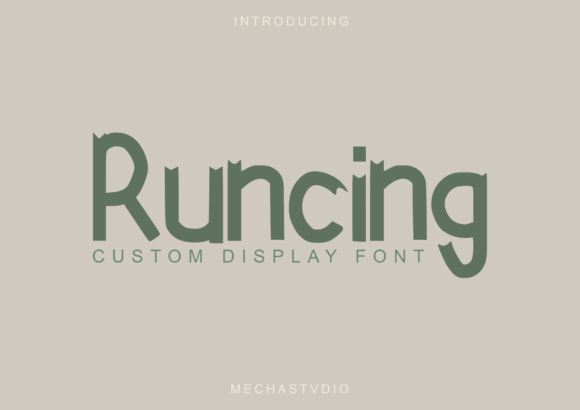
Runcing is a hybrid display font that combines elements of both sans serif and decorative styles. Its playful yet professional appearance makes it ideal for use in logos, stationery, posters, and digital content where visual impact is key. Unlike traditional sans serif fonts that prioritize readability over personality, Runcing adds character without sacrificing legibility at larger sizes.
One of the standout features of Runcing is its versatility. While many display fonts are limited to specific contexts due to their stylized nature, Runcing maintains enough balance to work across multiple applications. This adaptability is particularly valuable for designers who want a single font to serve as the cornerstone of their brand identity.
Comparing Runcing to Other Display Fonts
When selecting a display font, it’s important to consider how it compares to other options available. Display fonts often fall into categories such as script, slab serif, geometric sans serif, or hand-drawn styles. Each category has its own strengths and limitations depending on the project's needs.
Script fonts, for example, offer elegance and fluidity but may not be suitable for short text or logos that require quick recognition. Slab serif fonts provide a strong, stable presence and are great for retro or industrial themes, though they might lack the contemporary flair that some brands seek.
Runcing differentiates itself by merging a clean sans serif structure with subtle decorative flourishes. This gives it the boldness needed for eye-catching designs while keeping it accessible for a wide audience. Compared to more ornate display fonts, Runcing feels less cluttered and easier to pair with supporting elements like illustrations or photography.
Strengths of Runcing in Design Projects
- Bold and Playful Aesthetic: The confident strokes and dynamic shapes of Runcing make it stand out in any composition.
- Modern Versatility: Its ability to transition smoothly between formal and informal settings allows it to fit into diverse design scenarios.
- High Readability at Larger Sizes: Though designed for display purposes, Runcing remains clear and easy to read when used in headlines or titles.
- Customization Options: With multiple weights and stylistic variations, Runcing can be tailored to match the tone of your brand or message.
Limitations and Tradeoffs to Consider
Despite its strengths, Runcing isn’t always the best choice. Here are a few tradeoffs to keep in mind:
- Not Ideal for Body Text: Like most display fonts, Runcing isn't suited for long paragraphs or dense reading material. It shines in short, impactful statements.
- May Require Contrast in Layouts: Because of its distinctive style, Runcing benefits from being paired with more neutral or minimalist supporting fonts to maintain visual harmony.
- Limited Language Support: Depending on the version you choose, Runcing may not support all special characters or international language sets, which could affect certain multilingual projects.
Best-Fit Situations for Runcing
If you're working on a project that demands attention and creativity, Runcing is a solid option. It works exceptionally well in the following scenarios:
- Logo Design: Brands looking for something modern and memorable will find Runcing's bold style helps create a strong first impression.
- Social Media Graphics: Its vibrant and engaging look fits perfectly in platforms like Instagram or Pinterest, where visuals need to catch the viewer's eye quickly.
- Poster and Banner Designs: Whether promoting an event or showcasing a product, Runcing ensures your message stands out without overwhelming the rest of the design.
- Stationery and Packaging: For businesses aiming to add a touch of originality to their packaging or branded materials, Runcing offers a stylish yet approachable solution.
Alternatives to Explore Alongside Runcing
While Runcing is an excellent choice in many cases, there are situations where other fonts may better suit your goals. For instance:
- Minimalist Sans Serif Fonts: If your brand leans towards a clean and simple aesthetic, consider using a font like Montserrat or Lato for main text, and save Runcing for accents or highlights.
- Geometric Display Fonts: Fonts like Bebas Neue or Roboto Slab provide similar boldness but with a more angular and rigid structure, which may appeal to those looking for a sharper contrast.
- Handwritten or Calligraphy Styles: For a more personal and organic feel, explore fonts like Quicksand or Nunito, which offer soft curves and natural flow.
Ultimately, the right font depends on your brand's personality, the medium you're designing for, and the message you want to convey. Testing Runcing alongside these alternatives can help you determine what aligns best with your vision.
How to Use Runcing Effectively
Using a display font like Runcing requires thoughtful placement to avoid overwhelming the viewer. Here are a few practical tips:
- Use Sparingly: Reserve Runcing for headings, logos, or short phrases rather than full sentences or body copy.
- Pair Thoughtfully: Combine it with a more subdued font for subheadings and descriptions to create balance and hierarchy.
- Test Color and Spacing: Due to its bold characteristics, Runcing can appear heavier in certain colors or spacing configurations. Experiment with different combinations to see what looks best.
- Consider Context: If your design already includes complex graphics or patterns, simplify the layout to let Runcing shine without competing for attention.
Real-World Examples of Runcing in Action
Imagine a boutique coffee shop launching a new seasonal menu. Using Runcing for the headline "Fall Flavors" would instantly grab attention and evoke a sense of excitement. In this case, pairing it with a lighter sans serif like Open Sans for the ingredient list creates a cohesive and readable layout.
Another example could be a tech startup’s promotional poster. Runcing can be used for the company name, adding a modern edge to the design. When combined with a sleek, monospaced font for technical details or statistics, the poster maintains a professional tone while still feeling innovative and youthful.
Decision Factors When Choosing Runcing
Deciding whether Runcing is the right font for your project involves evaluating several factors:
- Brand Personality: Does your brand benefit from a bold, expressive font? Or do you prefer something understated and classic?
- Design Complexity: Will Runcing complement or compete with other design elements? Consider the overall layout before making a choice.
- Legibility Needs: How much text will you need to set in Runcing? If it's only a few words, it's a safe bet. But if you're setting longer text, look for alternatives.
- Target Audience: Who are you designing for? Runcing's playful vibe suits younger demographics or creative industries, but may not resonate with more conservative audiences.
When Runcing Might Not Be the Best Choice
Though Runcing is a versatile and appealing font, it's not universally appropriate. Here are a few instances where another font might be more suitable:
- Formal or Legal Documents: These typically require a high degree of clarity and professionalism, which Runcing may not provide.
- Academic or Technical Writing: Where precision and neutrality are valued, a standard serif or sans serif font like Times New Roman or Arial is usually preferred.
- Projects Requiring High Accessibility: If you're designing for a broad audience that includes people with visual impairments, stick to highly legible fonts to ensure inclusivity.
Final Thoughts on Evaluating Display Fonts
Selecting the right display font is part art and part science. Runcing brings a compelling mix of boldness and simplicity to the table, making it a strong contender for logos, posters, and social media content. However, understanding your design context and audience preferences is essential for making the best choice.
By weighing the pros and cons of Runcing against other options and considering real-world applications, you can determine if it's the perfect fit for your next project. Remember, the goal is to enhance your message through typography—not distract from it.