Gardner: The Display Typeface That Elevates Every Design
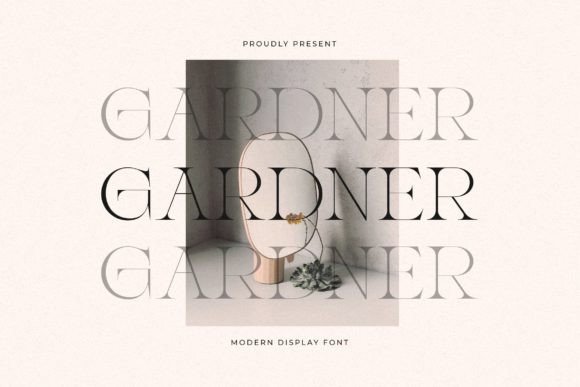
Fonts are more than just letters—they’re the visual heartbeat of communication. In a world where digital content is consumed in milliseconds, the right typeface can make all the difference. Gardner is a display typeface that has been carefully handcrafted to become a true favorite among designers and businesses alike. Its casual charm makes it look down-to-earth, readable, and ultimately incredibly versatile. Whether used on busy backgrounds or as a standalone headline, Gardner stands out without shouting, making it a go-to choice for those who value both aesthetics and function.
The Rise of Versatile Display Typefaces
In recent years, the design landscape has shifted dramatically. Users expect content to be not only visually appealing but also easy to read and adaptable across platforms. This demand has led to a surge in popularity for display typefaces—those designed specifically for headlines, titles, and large-scale text rather than body copy. Unlike traditional serif fonts that dominate long-form reading, display typefaces offer a bold personality while maintaining clarity at larger sizes. Gardner fits perfectly into this category, combining the warmth of handwritten forms with the precision of digital typography.
A Handcrafted Touch in a Digital Age
One of the key reasons Gardner has captured attention is its human-centric design. It’s a font that feels like it was made by a designer with a pen in their hand, not an algorithm generating curves. This handcrafted quality brings a sense of authenticity and character that many modern audiences crave. As people grow tired of sterile, overused system fonts, there’s a clear trend toward unique, expressive typefaces that reflect individuality and creativity. Gardner meets this need head-on, offering a balance between artistry and usability.
Adapting to Modern Workflows and User Expectations
Today’s creators work across a variety of mediums—from print materials to websites, mobile apps, and social media posts. A single font must perform well in different environments, from high-resolution screens to low-contrast print backgrounds. Gardner thrives in these scenarios due to its thoughtful construction. Its clean lines and open letterforms ensure legibility even when layered over complex visuals or used in small quantities. This adaptability aligns with the evolving expectations of users who want information to be accessible and engaging regardless of how or where they encounter it.
For professionals such as marketers and entrepreneurs, Gardner offers a strategic advantage. It allows them to craft brand messages that feel personal yet polished. A strong, memorable headline can influence user behavior, and Gardner’s natural appeal helps brands connect with their audience on a deeper level. Educators and bloggers also benefit from its ability to draw attention to key points without overwhelming the reader.
Casual Charm Meets Professional Use
What sets Gardner apart is its ability to blend into diverse contexts without losing its identity. The font isn’t limited to one niche—it works equally well for a cozy café logo, a sleek corporate presentation, or a vibrant social media campaign. This versatility speaks to the broader shift in design trends, where the line between formal and informal aesthetics is blurring. Audiences today appreciate designs that feel authentic and relatable, and Gardner delivers exactly that.
Why People Are Paying Attention to Display Typefaces Like Gardner
As the demand for originality grows, so does the interest in custom and crafted fonts. Businesses and individuals are no longer satisfied with generic typefaces; they seek tools that help them stand out. This desire for uniqueness has driven the popularity of display typefaces like Gardner. They provide a way to inject personality into a brand or project while still being functional enough for real-world use.
Moreover, the rise of remote work and digital-first strategies has increased the importance of visual branding. With more interactions happening online, every detail—from color schemes to typography—plays a role in shaping perception. Gardner, with its friendly and professional duality, is ideal for building trust and familiarity in virtual spaces. Its presence can subtly enhance a website’s readability or give a poster a fresh, modern edge.
Practical Implications for Everyday Use
Using Gardner in your projects means you’re investing in a font that enhances both form and function. Here are some practical ways it can elevate your work:
- Headlines and Titles: Gardner shines brightest when used for headlines, where its boldness and warmth grab attention without distracting from the message.
- Branding Materials: From logos to brochures, the font adds a touch of sophistication and approachability, helping brands resonate with their audience.
- Web Design: Thanks to its optimized spacing and contrast, Gardner performs exceptionally well on screens, especially when paired with complementary sans-serif or monospace fonts for body text.
- Social Media and Marketing: The font adapts seamlessly to short-form content, ensuring your message is both eye-catching and easy to digest.
Observations on Font Usage Trends
Typography trends have always reflected cultural shifts. In the early 2000s, minimalism reigned supreme, and simple sans-serif fonts dominated. Today, the pendulum is swinging back toward more expressive and emotionally resonant typefaces. This evolution mirrors a broader movement toward authenticity in design. Gardner is part of this wave, offering a style that feels grounded yet contemporary.
Designers are increasingly looking for fonts that don’t require excessive tweaking to work well. Gardner’s intuitive structure reduces the need for kerning adjustments or layering tricks, which saves time and effort. For freelancers and hobbyists working with limited resources, this ease of use is invaluable. It enables them to focus on the creative aspects of their projects without getting bogged down in technical details.
Real-World Examples of Gardner in Action
To better understand how Gardner functions in practice, consider these examples:
- Restaurant Branding: A local bistro uses Gardner in their signage and menus. The font’s warm, approachable feel invites customers in and complements the rustic decor.
- Startup Website: An emerging tech company pairs Gardner with a clean sans-serif font for body copy. The combination gives the site a fresh, modern look while maintaining professionalism.
- Educational Platforms: Online courses highlight key concepts using Gardner, making learning materials more engaging and easier to scan.
Choosing the Right Font for Your Project
Selecting a typeface involves more than just picking something that looks good. It requires understanding the context in which the font will be used, the tone it should convey, and how it interacts with other design elements. Gardner excels in this area because it’s designed to work in harmony with other fonts and visual styles. It doesn’t overpower layouts, but instead supports the overall message through its subtle elegance.
When choosing Gardner for your next project, consider the following tips:
- Use it wisely: While Gardner is versatile, it’s best suited for display purposes. Reserve it for headlines, subheadings, and accents to maintain visual hierarchy.
- Pair with purpose: Complement Gardner with a neutral, readable font for body text. This ensures your content remains scannable and comfortable to read.
- Test across devices: Always preview how the font looks on different screens and resolutions. Gardner’s responsive design handles scaling well, but it’s smart to verify performance in your specific use case.
Beyond Aesthetics: Accessibility and Readability
While beauty is important, accessibility cannot be overlooked. Fonts that lack proper spacing or contrast can hinder readability, especially for users with visual impairments. Gardner addresses these concerns by incorporating generous letter spacing and clear stroke differentiation. These features make it not only stylish but also inclusive. In a time when accessibility is a growing priority, Gardner represents a responsible choice for forward-thinking designers and businesses.
Font Libraries and Licensing Considerations
As with any professional-grade font, licensing is essential. Gardner is available through select font libraries and foundries, ensuring that users can access it legally for both personal and commercial projects. Before downloading or purchasing, verify the license terms to confirm it suits your intended use. Many platforms now offer flexible licensing options, including web, app, and motion design licenses, which cater to the needs of digital-native creators.
Additionally, font pairing tools and design software often include curated collections that feature typefaces like Gardner. These resources can help you find harmonious combinations and avoid common typographic mistakes. Investing in a font like Gardner means investing in a tool that supports both creativity and compliance in your workflow.
Integrating Gardner Into Creative Practices
Modern workflows often involve collaboration across teams and platforms. Gardner integrates smoothly into popular design tools such as Adobe Illustrator, Photoshop, Figma, and Canva. Its compatibility with variable font technologies also allows for dynamic weight and width adjustments, giving designers more control without sacrificing consistency.
Freelancers and entrepreneurs who manage multiple projects can benefit from having a reliable display font like Gardner in their toolkit. It simplifies the decision-making process by offering a consistent aesthetic that works across logos, marketing collateral, and digital assets. This streamlining effect not only boosts productivity but also reinforces brand identity through cohesive typography.
Looking Ahead: Typography in the Next Decade
The future of typography lies in its ability to adapt to new technologies and user behaviors. As we move toward more immersive experiences—like AR interfaces and voice-based design—the role of typefaces may evolve further. However, the core principles remain the same: clarity, personality, and usability. Gardner embodies these principles and is likely to remain relevant as long as there’s a need for expressive yet functional display typography.
Emerging trends suggest a continued emphasis on fonts that support emotional storytelling and cultural relevance. Gardner’s design reflects a modern sensibility that bridges tradition and innovation, making it a safe bet for anyone planning ahead. Whether you’re designing for a client or crafting your own brand, choosing a font that aligns with current and future expectations is crucial.
Final Thoughts on Typographic Choices
Fonts shape our perception of everything from websites to packaging to event invitations. Choosing the right one can set the tone, reinforce messaging, and even improve engagement. Gardner is more than just another display typeface—it’s a carefully considered option that balances charm and utility in a way few others do.
If you’re looking to add a touch of personality to your next project, whether it’s a business launch, a creative portfolio, or educational material, Gardner deserves a place in your toolkit. Its casual yet refined nature makes it suitable for a wide range of applications, and its thoughtful design ensures it won’t let you down when it matters most.