Grizzly and Bear: A Whimsical Display Font for Creative Projects
Fonts play a crucial role in the visual impact of any design. They shape how information is perceived, influence brand identity, and add personality to digital or printed content. Among the many options available, Grizzly and Bear stands out as a fun and unique display font that brings a touch of whimsy and quirkiness to creative work. Whether you're designing a logo, crafting social media posts, or creating marketing materials, this font can brighten up your designs and make them more engaging.
Understanding Grizzly and Bear
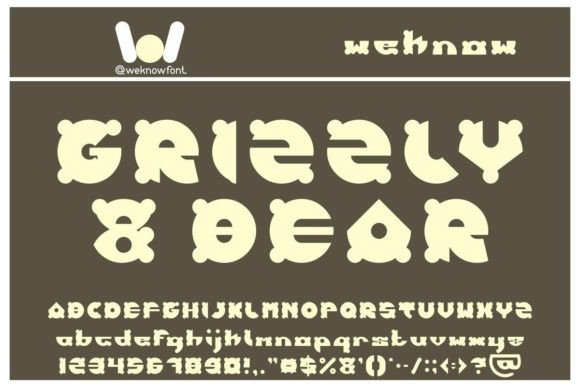
Grizzly and Bear is a decorative typeface designed for attention-grabbing headlines, titles, and other display purposes. Its playful curves and bold character shapes evoke a sense of warmth and approachability while maintaining a professional edge when used appropriately. The name itself reflects the balance between strength and charm — like a grizzly bear with a gentle demeanor.
This font isn’t just about aesthetics; it's also about purpose. It fits well into the broader process of graphic design, branding, and content creation. In today’s fast-paced digital world, standing out visually is key, and choosing the right font can be the difference between a forgettable design and one that resonates with an audience.
When to Use Grizzly and Bear
- Before a project: During the ideation phase, using Grizzly and Bear in mood boards or concept sketches helps establish a tone that feels lively and creative. It can guide the direction of the entire design aesthetic.
- During execution: When working on presentations, infographics, or promotional materials, this font adds a distinctive flair without overwhelming the message. It works best in short bursts of text where visual impact matters most.
- After completion: Once a design is finalized, adding Grizzly and Bear to supporting elements such as taglines, captions, or call-to-action buttons can enhance the overall appeal and draw viewers in for closer inspection.
Integrating Grizzly and Bear Into Your Workflow
Incorporating Grizzly and Bear into your workflow requires thoughtful planning and consideration of its strengths. As a display font, it excels in large sizes but may not be suitable for body text due to its ornate style. Here are some practical ways to integrate it effectively:
- Define the use case: Determine whether the font will serve a primary or secondary function in your design. Will it be the main headline or an accent? This clarity ensures it complements rather than competes with other design elements.
- Select compatible fonts: Pair Grizzly and Bear with a clean, readable sans-serif or serif font for body text. For example, combining it with something like Open Sans or Lora creates a balanced contrast that enhances readability and visual interest.
- Test across platforms: Before finalizing a design, preview Grizzly and Bear on different devices and screen resolutions. Ensure that it maintains legibility and impact regardless of where it appears.
- Consider color and spacing: Because of its whimsical nature, this font benefits from generous white space and high-contrast colors. Avoid overly complex backgrounds that might distract from its charm.
Use Cases Across Industries
The versatility of Grizzly and Bear makes it ideal for a range of industries and applications. Educators can use it in presentation slides to engage students with eye-catching headings. Bloggers might incorporate it into article titles or section headers to break up long blocks of text and encourage skimming. Marketers can leverage its quirky appeal in campaign slogans or social media graphics to stand out in crowded feeds.
Freelancers and small business owners often rely on tools like Adobe Photoshop, Illustrator, or Canva for their projects. These platforms support custom fonts, making it easy to upload and use Grizzly and Bear directly in your editing environment. For web developers, embedding the font via Google Fonts or similar services ensures consistency across devices and user experiences.
Practical Tips for Using Grizzly and Bear
To maximize the effectiveness of Grizzly and Bear, consider these tips based on real-world application:
- Limit usage: Overuse can diminish the font’s impact. Reserve it for headlines, logos, or key phrases to maintain focus and avoid visual clutter.
- Experiment with layering: Combine it with subtle effects like drop shadows, outlines, or gradients to highlight important text without sacrificing readability.
- Align with brand voice: If your brand leans toward playful or innovative messaging, this font could be a perfect fit. However, if your brand is formal or minimalist, use it sparingly or opt for a more subdued alternative.
- Use in print and digital formats: While primarily a digital font, Grizzly and Bear can also perform well in print when properly scaled. Always check resolution settings and printer compatibility to ensure quality output.
Workflow Examples
Here are two scenarios where Grizzly and Bear shines in a real workflow:
- Marketing Campaign Design: A designer begins by brainstorming a theme around a children’s toy line. They choose Grizzly and Bear for the campaign’s main headline to convey fun and imagination. Supporting text uses a simple sans-serif font for clarity, and they test the combination across mockups and prototypes before sending to the client.
- Blog Branding: A blogger wants to refresh their website’s look. They apply Grizzly and Bear to post titles and page headers, ensuring it aligns with their site’s color scheme and layout. After testing load times and cross-browser compatibility, they launch the new design and receive positive feedback for its fresh, inviting appearance.
Factors to Consider for Long-Term Use
While Grizzly and Bear offers immediate visual appeal, successful long-term use depends on several factors:
- Preparation: Understand the context and audience before applying the font. Research existing brand assets and design guidelines to ensure it fits seamlessly within the larger system.
- Compatibility: Confirm that the font works across all intended platforms and software. Some design tools may have limitations regarding font rendering or licensing.
- Usability: Keep legibility at the forefront. Even with its charming quirks, the font must remain clear enough for the target message to be understood quickly.
- Organization: Maintain a consistent library of fonts used in your projects. Label files clearly and store them in a centralized location to streamline future workflows.
- Efficiency: Don’t let font experimentation slow down your design process. Use templates or presets with pre-applied styles to save time while still leveraging the font’s unique qualities.
- Consistency: Apply the font consistently across all related materials. This reinforces brand recognition and provides a cohesive experience for users.
- Quality Control: Review every piece of content using the font to catch inconsistencies in size, weight, or spacing. Small details matter in maintaining a polished look.
How It Complements Other Tools and Methods
Font choice doesn’t exist in isolation. Grizzly and Bear interacts with other tools and methods throughout the creative process. For instance, it pairs well with vector-based illustrations or hand-drawn textures to create a unified theme. When using design systems or style guides, define rules for when and how the font should appear to maintain control over its use.
Additionally, when working in collaborative environments, communicate the font’s role early on. Team members need to know when to use it and when to stick with more neutral options. Including Grizzly and Bear in shared asset libraries or version-controlled design files helps prevent misuse and keeps everyone aligned.
Real-World Outcomes and Benefits
Designers who have integrated Grizzly and Bear into their projects often report increased engagement and stronger emotional responses from audiences. Its distinctiveness helps brands feel more personable and memorable, which is especially valuable in niches like education, lifestyle, or entertainment.
From a productivity standpoint, the font can speed up the decision-making process during the design phase. Clients or stakeholders often gravitate toward bold, expressive choices like Grizzly and Bear, reducing back-and-forth revisions and accelerating approval timelines. This efficiency can lead to faster turnaround and higher satisfaction across the board.
Avoiding Common Pitfalls
Despite its advantages, there are situations where Grizzly and Bear may not be the best choice. Avoid using it in:
- Small text sizes where legibility becomes an issue.
- High-volume reading scenarios, such as eBooks or lengthy reports.
- Contexts where professionalism takes precedence over creativity, like legal documents or technical manuals.
Also, be mindful of licensing terms. If you plan to use the font commercially or distribute it publicly, verify the license agreement to ensure compliance and avoid potential issues later in the production cycle.
Final Thoughts on Implementation
Choosing the right font is part art, part science. Grizzly and Bear offers a unique blend of charm and boldness that can elevate a wide range of creative outputs. By understanding its characteristics and integrating it thoughtfully into your workflow, you can harness its potential to create standout visuals that resonate with your audience.
Whether you’re a seasoned designer or someone exploring typography for the first time, remember that the goal is always to enhance communication. With careful planning and execution, Grizzly and Bear can become a trusted asset in your toolkit, helping you bring personality and energy to your next project.