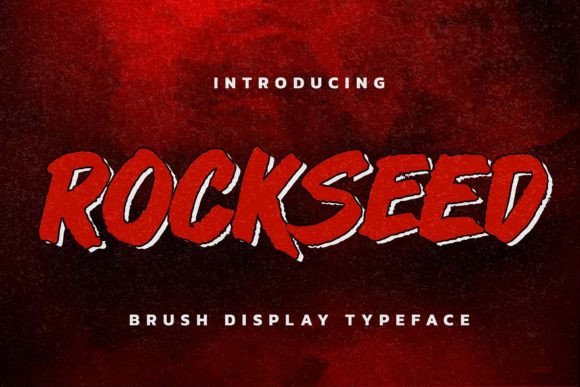
Rockseed: A Unique Brush-Style Display Font for Creative Projects
Rockseed is a distinctive brush-style display font that brings an expressive and dynamic feel to any design. Created with a hand-painted aesthetic, it combines the natural flow of calligraphy with modern typography, making it ideal for projects where personality and visual impact are key. Unlike standard sans-serif or serif fonts, Rockseed stands out with its organic texture and bold character, allowing designers to infuse creativity into their work.
Why Consider Rockseed?
Designers often seek fonts that can elevate their projects beyond the ordinary. Rockseed appeals to those who want to add a touch of artistry and movement without compromising legibility in larger formats. Its brush-like strokes give it a sense of spontaneity and energy, which can be especially effective in branding, packaging, posters, and other media that rely on strong visual storytelling.
One of the main reasons someone might be interested in Rockseed is its ability to convey emotion and style quickly. It’s not just a font; it's a visual element that can set the tone of a project. For example, using Rockseed in a music festival poster could evoke excitement and creativity, aligning perfectly with the event's vibe.
Benefits of Using Rockseed
- High Visual Impact: The bold and fluid nature of Rockseed makes it perfect for headlines, logos, and titles where you want to grab attention immediately.
- Artistic Appeal: Designed to mimic hand-brushed lettering, it adds a layer of craftsmanship and authenticity to digital designs.
- Versatility in Style: While best suited for display purposes, Rockseed can also be used creatively in body text when paired with complementary fonts or used sparingly.
- Easy Integration: Available in multiple weights and styles, Rockseed adapts well to various design platforms and software, ensuring flexibility across applications.
Tradeoffs and Considerations
Despite its strengths, Rockseed may not be suitable for all situations. One important consideration is its use in long-form text. Because it mimics hand-brush strokes, reading large blocks of text in this font can become tiring for the viewer. This limitation means it should be reserved for short, impactful phrases rather than extended paragraphs.
Another tradeoff is readability at smaller sizes. The intricate details and variations in stroke width that make Rockseed visually appealing can reduce clarity when used in small text. Designers must ensure proper sizing and spacing to maintain legibility and avoid cluttered visuals.
Additionally, while the font’s artistic quality is a major draw, it may not suit every brand or message. Overuse can lead to a loss of professionalism, especially in contexts where a clean and structured appearance is expected.
When Rockseed Is a Strong Fit
Rockseed shines in environments where creativity and expression take precedence over strict formality. Here are some scenarios where it may be an excellent choice:
- Event Branding: Concerts, festivals, and art exhibitions benefit from Rockseed’s lively and engaging look.
- Product Packaging: Especially for lifestyle or creative products, Rockseed can help create a memorable and eye-catching label.
- Logo Design: Its unique style works well as a foundation for logos that aim to stand out and reflect a personal or artistic identity.
- Editorial Titles: Magazines, blogs, or newsletters with a thematic or niche focus can leverage Rockseed for feature headings or pull quotes.
- Social Media Graphics: Platforms like Instagram or Pinterest thrive on visually rich content, and Rockseed can help your posts pop with minimal effort.
When Alternatives May Be Better
While Rockseed has many strengths, there are instances where it might not be the best option. If your design requires high readability for small text or dense information (such as reports, e-books, or websites with heavy content), consider more conventional typefaces like Helvetica, Roboto, or Georgia.
In professional or corporate settings, Rockseed’s informal and artistic style may clash with the intended tone. In these cases, a sleeker, more refined display font or a classic sans-serif could be more appropriate. Similarly, if your audience prefers minimalist aesthetics, the complexity of Rockseed might overwhelm the overall design.
For multilingual or international projects, it’s also essential to check whether Rockseed supports the necessary language characters. Many brush-style fonts have limited glyph sets, so verifying compatibility before finalizing a project is crucial.
Practical Tips for Using Rockseed Effectively
- Pair with Simpler Fonts: To balance Rockseed’s boldness, pair it with a clean, neutral font for supporting text. This contrast ensures readability while maintaining visual interest.
- Use Proper Contrast: Ensure sufficient contrast between Rockseed and the background color or image. Light colors or textured backgrounds may require adjustments in font weight or opacity.
- Limit Usage: Apply Rockseed selectively—only where it enhances the message. Too much use can dilute its impact and confuse the viewer.
- Experiment with Layout: Because of its expressive nature, Rockseed can work well in asymmetrical or layered designs. Try different alignments and placements to find what feels most natural.
- Test at Different Sizes: Before finalizing a design, test how Rockseed appears at varying sizes and distances. Adjust accordingly to preserve clarity and intent.
Evaluating Rockseed for Your Needs
Deciding whether Rockseed fits your project involves understanding both your goals and your audience. Ask yourself the following questions:
- Do I need a font that conveys creativity or emotional tone?
- Is my design focused on visual impact over traditional readability?
- Will the font be used primarily for headlines or logos rather than full sentences?
- Does the style of Rockseed align with the overall theme or branding of my project?
If these apply, then Rockseed could be a valuable addition to your toolkit. However, if your needs prioritize simplicity, clarity, or broad accessibility, it may be worth exploring other options.
Expectations When Choosing Rockseed
Rockseed is not a one-size-fits-all solution, but it can deliver impressive results when used correctly. Expect it to perform best in high-contrast, large-scale applications. You may also find that it requires careful adjustment in terms of spacing and kerning to achieve optimal visual harmony.
Keep in mind that its handcrafted nature means each character is slightly unique. This can be a benefit for adding warmth and character but may require additional proofreading to ensure consistency in critical texts.
Conclusion
Rockseed offers a compelling blend of artistry and functionality for designers looking to inject personality into their work. Its brush-style design makes it particularly well-suited for display purposes, where it can enhance visual storytelling and capture attention effectively. However, due to its limitations in readability and suitability for certain audiences, it should be evaluated carefully against the specific requirements of each project.
By considering factors like context, audience preferences, and typographic pairing, you can determine whether Rockseed will serve your creative vision or if another font would better meet your needs. Ultimately, the right font choice depends on how well it complements your message and supports your design goals.