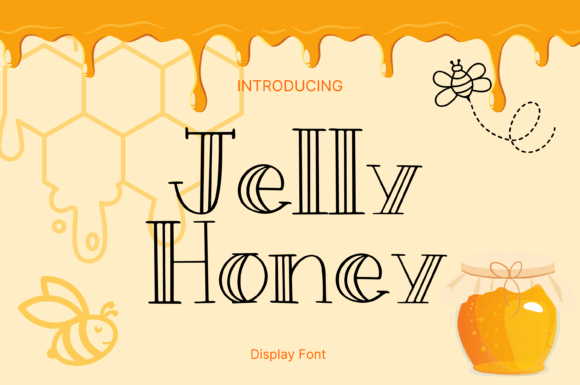
Jelly Honey: A Versatile Font for Modern Designers
In a world where visual communication is king, the right typography can make all the difference between a design that blends in and one that stands out. Jelly Honey is a whimsical and clean handwritten font that brings personality without sacrificing professionalism. Its playful yet refined character makes it an ideal choice for designers seeking to infuse warmth and creativity into their projects while maintaining clarity and impact.
Why Jelly Honey Matters in Visual Design
Typography is more than just selecting readable text; it’s about setting the tone of your message and enhancing the overall user experience. Jelly Honey bridges the gap between casual charm and modern minimalism, making it suitable for both expressive and functional contexts. Whether you're designing a logo, crafting social media content, or working on editorial layouts, this font adds a unique flair that resonates with today's audiences who crave authenticity and style.
The font’s natural, fluid strokes mimic hand-lettering but are optimized for digital use. This means it retains the organic feel of handwriting while ensuring scalability and consistency across different platforms and mediums. It’s a perfect example of how thoughtful design choices can elevate brand identity and create memorable experiences for users.
Applications in Branding and Logo Design
In branding, first impressions matter, and fonts play a crucial role in shaping perception. Jelly Honey can be used effectively in logos for lifestyle brands, wellness products, or creative agencies that want to convey approachability and innovation. When paired with the right color palette—think soft pastels or warm neutrals—it enhances the emotional appeal of a brand and supports a cohesive visual language.
- Ideal for personal branding or small businesses looking to build a friendly image
- Complements minimalist design styles by adding subtle character
- Works well in combination with sans-serif or serif fonts for contrast and balance
Enhancing Marketing Materials and Social Media Content
Marketing materials need to capture attention quickly. Jelly Honey brings a sense of spontaneity and charm that helps break through the noise in crowded digital spaces. Use it for headlines, call-to-action buttons, or branded slogans in flyers, brochures, or online banners. The font’s legibility ensures that your key messages remain clear and effective, even when stylized.
On social media, where engagement is driven by aesthetics and relatability, Jelly Honey shines. It works beautifully in Instagram posts, Pinterest visuals, or Facebook ads where a human touch is essential. Pair it with high-quality imagery and strategic white space to maintain a professional presentation while keeping the mood light and inviting.
Web and UI/UX Design Considerations
When integrating Jelly Honey into web or UI design, consider its impact on usability. Handwritten fonts can sometimes hinder readability at smaller sizes, so it’s best reserved for headings, subheadings, or decorative elements rather than body text. In UX design, ensure that it aligns with the rest of your type system to avoid visual clutter and maintain accessibility standards.
Use Jelly Honey sparingly to highlight key features or product names. For instance, it could serve as the hero font for a landing page promoting a new line of artisanal goods or handmade crafts. Just remember to pair it with a solid sans-serif font for supporting copy to preserve hierarchy and functionality.
Creative Uses in Packaging and Editorial Design
Handwritten typography is especially popular in packaging design, where it adds a tactile and artisanal feel. Jelly Honey can be used to label ingredients, describe product benefits, or craft taglines that evoke trust and familiarity. Its versatility allows it to adapt to various textures and finishes, from matte to glossy surfaces, without losing quality.
In editorial design, such as magazines or blogs, Jelly Honey can be employed for pull quotes, section headers, or titles to create visual interest. It helps guide the reader’s eye through the layout and can support a more conversational tone in written content.
Tips for Effective Use of Jelly Honey
- Test Readability: Always check how Jelly Honey looks at different sizes and on various devices before finalizing a project.
- Maintain Consistency: Limit its use to specific typographic roles within your design system to keep the overall look cohesive.
- Pair Thoughtfully: Combine it with complementary fonts that enhance contrast and balance without overwhelming the layout.
- Consider Context: Evaluate whether the whimsical nature of the font matches the intended audience and purpose of your design.
Ultimately, Jelly Honey is not just another font—it’s a tool for storytelling and connection. By choosing the right assets and applying them with intention, you can transform ordinary designs into extraordinary ones. Keep experimenting, stay true to your brand’s voice, and let typography like Jelly Honey help you communicate with clarity and creativity.