Reflected: A Modern Display Font for Creative Projects
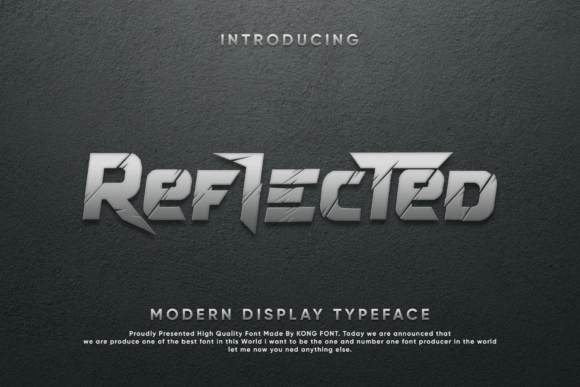
When it comes to design, the right font can make all the difference. Reflected is a modern and playful display font that brings energy and style to any creative endeavor. Designed with crafters, designers, marketers, and entrepreneurs in mind, Reflected is versatile enough to suit a range of uses—from signage and branding to social media content and printables. Its compatibility with industry-standard tools like Photoshop and Silhouette Design Studio makes it an easy-to-integrate asset into your existing workflow.
Understanding Reflected in the Context of Design Workflows
Fonts are more than just stylistic choices; they’re functional elements that influence how information is perceived. In the broader process of graphic design or content creation, selecting the right typeface is part of both planning and execution. Reflected fits naturally into this cycle as a go-to option when you need something bold yet elegant, eye-catching but not overwhelming.
Before diving into a project, consider what message you want to convey. For instance, if you're designing promotional materials for a new product launch or creating engaging content for your brand’s social media channels, Reflected can help establish a unique visual identity. Its distinct characteristics—such as its clean curves and dynamic structure—can enhance readability while maintaining aesthetic appeal.
Pre-Project Planning
During the brainstorming phase of your project, having access to a font like Reflected can inspire ideas and guide your creative direction. You might use it to mock up potential headlines or logos before settling on a final concept. This early-stage experimentation helps align your team or clients around a cohesive vision and ensures consistency across all deliverables.
During the Design Process
Once you move into the actual design work, Reflected can be used in various stages. In digital platforms like Adobe Photoshop or Illustrator, it allows for quick text layer adjustments without compromising the look and feel of your composition. Similarly, in Silhouette Design Studio, you can leverage its vector-based nature to cut intricate designs from vinyl or other materials. The font’s adaptability means it works well whether you're crafting a simple label or a complex layout with layered typography.
One practical tip is to pair Reflected with complementary fonts for contrast. Since it's a display font, it shines best when used for headings or short phrases. Supporting body text should ideally come from a more readable sans-serif or serif font. This balance keeps your designs visually appealing while ensuring legibility where needed.
Post-Production Use
After completing a project, Reflected can still play a role. It’s useful for adding finishing touches such as captions, taglines, or even custom icons. If you're working on a website or blog post, using it sparingly for titles or call-to-action buttons can draw attention without overwhelming the user. Additionally, since it supports multiple languages and character sets, it’s ideal for international branding efforts or multilingual marketing campaigns.
Integration with Other Tools and Resources
One of the biggest strengths of Reflected is how seamlessly it integrates with the tools most creators already use. Whether you're working in photo editing software, vector design programs, or word processing applications, the font installs just like any standard font and is immediately accessible.
- Adobe Photoshop: Simply install the font on your system and select it from the font dropdown menu when creating text layers.
- Silhouette Design Studio: Once installed, you can generate SVG files with Reflected text for cutting machines like the Silhouette Cameo.
- Microsoft Word or Google Docs: Perfect for presentations, reports, or newsletters where a bit of flair is needed without going overboard.
- Canva or Crello: Upload the font file (if supported) or install it locally for use in online design tools.
When integrating Reflected into a multi-step workflow, it’s important to organize your font library. Labeling your fonts clearly and categorizing them by purpose—such as “headings,” “logos,” or “social media”—can streamline your design process. Many professionals use font management tools like NexusFont or FontBase to keep their collections tidy and easily searchable.
Practical Implementation Tips
Here are some actionable ways to incorporate Reflected into your creative projects:
- Start small: Use Reflected for one element at first—like a title or banner—to test how it looks within your overall design.
- Use color strategically: Because Reflected has a bold appearance, choose colors that complement its style rather than clash with it. Soft pastels or metallic tones often highlight its features nicely.
- Pair with visuals: Combine the font with images or illustrations that reflect its playful yet professional tone. This creates a more harmonious and impactful design.
- Consider spacing and hierarchy: Reflected may require additional letter or word spacing to maintain clarity. Also, ensure it doesn’t overshadow more critical content by adjusting its placement or size accordingly.
Another useful practice is to create a template with common text styles already set using Reflected. This saves time during repetitive tasks like designing monthly newsletters or social media posts. Templates also help maintain consistency across all your materials, reinforcing brand recognition and professionalism.
Workflow Examples Where Reflected Shines
Let’s walk through a few real-world scenarios where Reflected can elevate your output:
Scenario 1: Branding for a New Product Launch
In the early stages of developing a brand identity, Reflected could serve as the primary font for logo concepts. Once the logo is finalized, it can continue to appear in supporting materials like packaging labels, website headers, and promotional banners. By consistently applying this font throughout the campaign, you reinforce the brand’s personality and make it more memorable.
Scenario 2: Social Media Content Creation
Designers who manage social media accounts for businesses or personal brands can benefit from using Reflected in carousel ads, Instagram stories, or Facebook covers. It adds a touch of modernity that appeals to younger audiences while remaining professional enough for business contexts. For example, a lifestyle blogger might use it for seasonal greeting cards or motivational quotes shared across platforms.
Scenario 3: Educational or Workshop Materials
Teachers and educators often create handouts, posters, or digital presentations for workshops and classes. Reflected can be used to highlight key takeaways, section headers, or interactive prompts. Its friendly appearance makes it suitable for educational environments, especially those targeting children or casual learners.
Preparation
Before using Reflected in a major project, review its licensing terms to ensure it fits your intended use. Some fonts are free for personal use only, while others allow commercial usage. Always confirm the permissions to avoid legal issues down the line.
Compatibility
Although Reflected is compatible with most major design software, always check that it works correctly in your preferred platform. Some online tools may not support every font, so testing it in your environment before committing to a large project is wise.
Usability and Readability
While Reflected is great for grabbing attention, it’s not ideal for long paragraphs. Reserve it for short bursts of text such as headlines, subheadings, or pull quotes. If you plan to use it in print, make sure it scales well and remains clear at smaller sizes.
Organization and Efficiency
Managing a growing font library can become cumbersome. Organize your fonts based on their function and frequency of use. Keeping frequently used fonts like Reflected in an easily accessible folder or naming convention can improve efficiency and reduce decision fatigue during design sessions.
Consistency and Quality Control
If you're using Reflected across multiple platforms or deliverables, maintain consistent styling—font size, color, alignment. This helps build a stronger visual identity and avoids confusion among your audience. Quality control is also essential when exporting files. Ensure that the font embeds properly or convert text to outlines if necessary, particularly when sharing with clients or printing services.
Long-Term Use and Adaptation
As trends evolve, your font choices should too. However, Reflected’s modern yet timeless design makes it a solid choice for long-term use. Keep an eye on feedback from your audience and adjust your font strategy as needed. Over time, you may find that certain combinations or usages work better than others, leading to refined and more effective designs.
Final Thoughts on Incorporating Reflected Into Your Toolkit
Incorporating a font like Reflected into your workflow isn't just about aesthetics—it's about enhancing communication and engagement. Whether you're a seasoned designer or a hobbyist just starting out, choosing the right typography can significantly impact the success of your project. By understanding how and when to use it, you'll maximize its value and maintain a polished, professional look across all your creative outputs.
Remember, the goal is to use fonts that support your message and resonate with your audience. Reflected offers the perfect blend of style and substance, making it a valuable addition to your fonts library. As with any tool, the more you experiment with it in different contexts, the more intuitive and effective its use becomes.