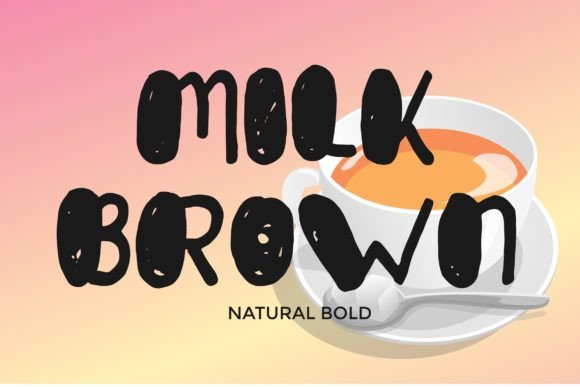
The Distinctive Charm of the Milk Brown Font: A Bold Display for Unique Characters
Fonts are more than just tools for displaying text; they are visual expressions that convey tone, personality, and purpose. Among the many fonts available today, Milk Brown stands out as a unique choice for those seeking a bold, handwritten display style in uppercase. This font captures attention with its dynamic form and expressive character set, making it ideal for branding, design projects, and creative typography where individuality is key.
A Handwritten Uppercase Display Font
Milk Brown is a distinctive font that combines the warmth of handwriting with the structure of a display typeface. Unlike standard sans-serif or serif fonts used for body text, Milk Brown is crafted to be used at larger sizes, often in headlines, logos, and other prominent typographic elements. Its all-caps format adds an extra layer of boldness and clarity, ensuring legibility even when stylized.
Handwritten fonts can vary greatly in their aesthetic appeal, but Milk Brown maintains a balance between artistic flair and readability. Each letterform is carefully designed to mimic the natural flow of ink on paper while preserving the geometric precision needed for digital use. This makes it a compelling option for designers who want to evoke authenticity without sacrificing professionalism.
Why Choose an All-Caps Handwritten Font?
All-caps handwritten fonts like Milk Brown have several advantages over their lowercase counterparts. They tend to appear more uniform and consistent, especially when dealing with varying stroke weights or flourishes typical of hand-drawn styles. Additionally, using uppercase letters enhances visibility and can make a message feel more urgent or impactful, which is particularly useful in marketing and advertising contexts.
- Attention-Grabbing: The combination of bold strokes and handwritten style naturally draws the eye.
- Brand Personality: Ideal for brands aiming to showcase creativity, approachability, or tradition.
- Legibility at Scale: Designed to perform well in large formats such as banners, posters, and signage.
Unique Characters and Visual Identity
One of the most notable features of Milk Brown is its ability to express unique characters. In a world saturated with digital content, standing out visually is essential. Milk Brown achieves this by offering subtle variations in each letter, allowing for a more organic and human appearance. These nuances help create a strong visual identity that resonates with audiences looking for something different.
For example, consider a bakery promoting a new product line. Using Milk Brown for their promotional materials could give them a warm, artisanal feel that aligns perfectly with their brand image. The font’s handwritten nature suggests a personal touch, while the uppercase format ensures clarity and consistency across various platforms—from social media posts to storefront signs.
Character Set and Customization
Many users appreciate how Milk Brown handles special characters and punctuation. It offers a comprehensive character set that includes symbols, numerals, and alternate glyphs—perfect for customizing designs to suit specific needs. Whether you're creating a logo with a quirky twist or designing packaging with a rustic vibe, these features allow for greater flexibility and creativity.
- Alternate Glyphs: Adds depth and variation to your typography.
- Consistent Stroke Weight: Ensures professional appearance in print and digital formats.
- Unicode Support: Makes it easy to input accented characters and symbols directly.
Practical Applications Across Industries
While Milk Brown may seem like a niche font, its versatility has led to widespread adoption across various industries. From fashion to food, education to entertainment, this font brings a sense of originality and charm to any project. Let's explore some real-world applications where Milk Brown excels.
Design and Branding
In the field of graphic design, Milk Brown is frequently used for logos and brand assets. Its bold yet friendly appearance works well for businesses that want to communicate both strength and warmth. For instance, a boutique clothing store might use Milk Brown for their nameplate to emphasize craftsmanship and exclusivity. Similarly, a small publishing house could leverage the font to highlight book titles in a way that feels both modern and nostalgic.
Education and Presentations
Educators and presenters often look for ways to make their slides stand out. Milk Brown can serve as a powerful tool in this context, especially for headers and title slides. Its uppercase format allows for quick recognition, while the handwritten aspect adds a personal and engaging touch. When used appropriately, it can enhance the learning experience by breaking up monotony and reinforcing key concepts through visual emphasis.
Creative Writing and Publishing
Writers and poets sometimes prefer handwritten fonts to reflect the human element in their work. Milk Brown can be used effectively in poetry collections, short story headers, or chapter titles to give a sense of intimacy and originality. However, due to its display nature, it’s important to pair it with a complementary font for body text to maintain readability and ensure a balanced layout.
Technical Considerations and Best Practices
Although Milk Brown is visually appealing, there are certain technical aspects to keep in mind when incorporating it into your designs. Understanding these considerations can help you maximize its potential and avoid common pitfalls.
Optimal Use Sizes
As a display font, Milk Brown performs best at larger point sizes. Using it in smaller text can lead to reduced legibility and may not do justice to its intended impact. For web design, it's generally recommended to use it in headers (H1, H2) rather than body copy. On printed materials, it shines in titles, labels, and callouts.
Color and Background Pairings
Because of its high contrast and bold nature, Milk Brown pairs well with simple backgrounds. Darker shades of brown or cream can complement the font's earthy tones, while white or light gray provides a clean, modern backdrop. Avoid overly busy or colorful backgrounds, as they can distract from the font’s elegance and reduce its effectiveness.
Spacing and Kerning
Proper spacing is crucial when working with all-caps handwritten fonts. Due to the uniformity of uppercase letters, tight kerning can cause letters to appear cramped, whereas too much space may weaken the visual connection between characters. Milk Brown typically comes with built-in kerning adjustments, but manual tweaking is often necessary to achieve the desired aesthetic, especially in logotypes or short phrases.
Comparisons with Similar Fonts
To better understand where Milk Brown fits in the broader typography landscape, let's compare it to similar fonts that also offer a handwritten display style.
Milk Brown vs. Great Vibes
Great Vibes is another popular handwritten font known for its flowing script. While both fonts aim to capture a personal, artistic feel, Great Vibes leans heavily into cursive and is less structured. Milk Brown, on the other hand, balances the fluidity of handwriting with the rigidity of uppercase formatting, making it more suitable for formal branding or signage where legibility is paramount.
Milk Brown vs. Bebas Neue
Bebas Neue is a bold sans-serif font often used in display settings. It shares Milk Brown’s uppercase preference but lacks the handwritten quality. If you’re looking for a modern, edgy look, Bebas Neue might be the right choice. But if your goal is to add a human touch to your typography, Milk Brown offers a more nuanced and expressive alternative.
Milk Brown vs. Fredoka One
Fredoka One is a rounded, comic-style font that’s playful and informal. It’s great for fun-oriented designs like children's books or casual websites. Milk Brown, however, offers a more refined and elegant look, making it better suited for upscale or artisanal branding efforts.
Trends and Relevance in Modern Typography
Handwritten fonts have seen a surge in popularity in recent years, especially in the realms of branding and lifestyle products. Consumers increasingly seek authentic experiences, and typography plays a role in conveying that authenticity. Milk Brown aligns well with this trend, offering a font that feels both contemporary and classic.
Moreover, the rise of minimalism in design has created a demand for fonts that are bold but not overwhelming. Milk Brown meets this need by providing a strong visual presence without excessive ornamentation. It’s a versatile font that can adapt to both minimalist layouts and more elaborate designs depending on how it’s used.
Accessibility and Readability
While aesthetics are important, accessibility should never be overlooked. Milk Brown is a display font, so it’s not recommended for long paragraphs or fine print. However, when used correctly—for instance, as a headline or title—it can coexist harmoniously with more accessible fonts in body text. Designers should always test their chosen font combinations to ensure the overall readability of their content.
Implementation Tips and Tools
If you’re considering implementing Milk Brown into your next project, here are a few practical tips to help you get started:
- Font Pairing: Combine Milk Brown with a clean sans-serif or a traditional serif for body text to maintain hierarchy and readability.
- Use in Layers: Apply Milk Brown selectively to key messages or headings rather than throughout entire documents.
- Test Responsiveness: Ensure that the font scales well on different devices, particularly mobile screens where large text is harder to manage.
- License Awareness: Always check the licensing terms before using Milk Brown in commercial projects to ensure compliance.
Creating Impactful Designs with Milk Brown
Typography is a foundational part of design, and choosing the right font can elevate a project from good to great. Milk Brown, with its handwritten display style and uppercase format, offers a fresh take on bold typography. Here’s how to use it effectively:
Logos and Branding
Logos benefit greatly from the use of display fonts. Milk Brown can help create a memorable and recognizable brand identity. Its character variations allow for subtle customization, helping your brand stand apart from competitors. Just remember to limit the use of Milk Brown to only the most important parts of your logo to prevent visual clutter.
Web Design and User Experience
On websites, Milk Brown can be used to highlight key sections such as hero headlines, navigation menus, or call-to-action buttons. However, it’s important to ensure that the font doesn’t interfere with the user experience. Keep loading times in mind by optimizing font files and using fallback options in case the font isn't supported on certain browsers.
Social Media and Marketing Materials
Marketing professionals often rely on typography to craft compelling messages. Milk Brown is particularly effective in social media campaigns, where brevity and impact are critical. Its uppercase format ensures that key phrases remain clear and visible, even on fast-scrolling feeds. When paired with imagery that reflects its handmade qualities—such as textures or watercolor effects—the font becomes an integral part of the visual storytelling.
Final Thoughts on the Milk Brown Font
Milk Brown is more than just a decorative font—it's a strategic choice for designers who want to communicate uniqueness and personality through typography. Its bold, uppercase, handwritten style lends itself well to branding, presentations, and marketing, offering a blend of artistry and functionality that’s hard to find elsewhere. By understanding its strengths and limitations, you can harness the power of Milk Brown to create designs that are both beautiful and effective.