Tiny Robot: A Font That Brings Joy to Design
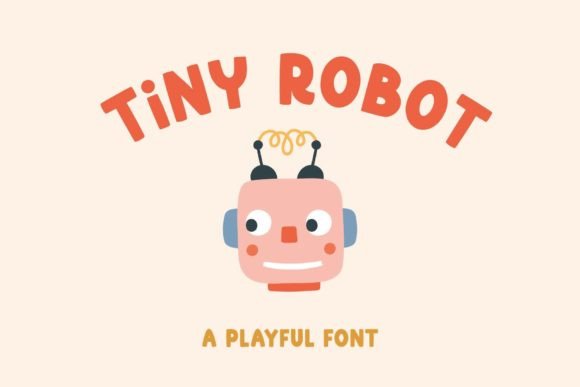
Fonts are more than just tools for readability—they're a design element that can shape the mood, tone, and personality of your project. Tiny Robot, a happy handwritten font, stands out as a versatile and expressive choice for anyone looking to inject positivity into their visual work. With its playful curves and charming character set, Tiny Robot is perfect for designs that need a touch of whimsy and warmth.
What Makes Tiny Robot Unique?
Tiny Robot blends the casual, personal feel of handwriting with a clean, modern aesthetic. It avoids the overly exaggerated or childish styles often associated with fun fonts, making it both approachable and professional in the right context. The letters are designed with subtle variations—some strokes are bolder, others lighter—which adds depth and authenticity to every word. This balance makes it ideal for a wide range of creative applications without compromising clarity.
One of the standout features of Tiny Robot is its emotional appeal. It doesn’t just look good; it feels good. The font exudes optimism and creativity, which is especially powerful when used in branding, educational materials, or any content aimed at engaging an audience on a personal level.
Who Can Benefit from Using Tiny Robot?
- Designers: Use Tiny Robot to add personality to logos, illustrations, and digital art pieces.
- Marketers: Incorporate the font into social media posts, email campaigns, or promotional graphics to create a friendly brand image.
- Bloggers and Content Creators: Make your blog headers or infographics stand out with a cheerful typographic twist.
- Entrepreneurs and Small Business Owners: Whether you’re launching a kids' product line or a tech startup with a human touch, Tiny Robot can help define your brand voice.
- Educators and Publishers: Engage young learners or make educational materials more inviting by using this font in titles, book covers, or activity sheets.
Creative Uses for Tiny Robot
While Tiny Robot shines in children's-related projects, its charm extends far beyond that niche. Here are some imaginative ways to use it across different industries and formats:
1. Branding for Fun and Friendly Businesses
If your business focuses on play, learning, or innovation, Tiny Robot can be the perfect match. For example, a robotics-themed toy company could use it for packaging, website headers, or social media banners. The font’s name alone suggests a connection between technology and joy, making it a natural fit for brands that want to blend these elements.
2. Invitations and Event Designs
Weddings, birthdays, baby showers, or even corporate team-building events can benefit from Tiny Robot’s upbeat vibe. Think about using it for thank-you notes, guest lists, or themed invitations. Its handwritten style gives a sense of personalization and care, while the robotic undertones can be adapted for unique event themes like “Retro Futurism” or “Sci-Fi Soirées.”
3. Poster and Print Projects
Poster designers love fonts that can command attention while maintaining a positive tone. Tiny Robot works well for movie posters (especially family-friendly films), motivational quotes, travel promotions, or festival announcements. Pair it with bold colors and dynamic layouts to create eye-catching visuals that speak to a broad audience.
4. Educational Materials
For teachers and publishers creating resources for young students, Tiny Robot can make learning feel less intimidating and more engaging. Use it for chapter headings, interactive worksheets, or flashcards. The font’s legibility ensures that it remains functional while still keeping the energy high.
5. Web and App UI Elements
When designing user interfaces for apps or websites targeting families or younger audiences, Tiny Robot can enhance the experience. It’s great for buttons, menus, or call-to-action sections where a warm and welcoming tone is essential. Just be sure to maintain contrast and accessibility standards when using it in digital environments.
How to Use Tiny Robot Effectively
To get the most out of Tiny Robot, consider how it interacts with other design elements. Since it’s a handwritten font, it pairs beautifully with simple sans-serif fonts for body text. This combination allows the title to pop while ensuring the rest of the content remains easy to read.
Color Pairing Tips
The font looks best when paired with vibrant, warm colors like orange, yellow, or light blue. These hues complement its cheerful nature and help it stand out against backgrounds. Avoid using it with overly dark or muted tones unless you want to create a specific contrast or dramatic effect.
Typography Best Practices
- Use sparingly: Because it’s a decorative font, limit its use to headlines, titles, or short phrases. Overusing it can reduce readability and dilute its impact.
- Pair with structure: Balance the organic feel of Tiny Robot with structured layouts, grids, or minimalist backgrounds to keep the design organized and focused.
- Experiment with size: Play with large-scale typography to emphasize key messages or small, subtle touches to highlight details like captions or footnotes.
- Maintain consistency: If you’re using Tiny Robot in multiple parts of a design, ensure the spacing, sizing, and alignment remain consistent to avoid visual clutter.
Real-World Examples of Tiny Robot in Action
Let’s imagine a few real-life scenarios where Tiny Robot would shine:
- A children’s book titled “Tiny Robot’s Big Adventure” uses the font for the cover and chapter titles to immediately connect with the reader’s imagination.
- An app called RoboKids uses Tiny Robot for all on-screen buttons and prompts to create a lighthearted, approachable interface for young users.
- A local community center promoting a “Backyard Robotics Workshop” for teens uses Tiny Robot in promotional flyers and online ads to spark curiosity and excitement.
- A blogger writes a post about robotics for kids and uses Tiny Robot in the headline to draw readers in with a sense of fun and possibility.
Adapting Tiny Robot for Different Audiences
Tiny Robot is flexible enough to adapt to various demographics and purposes. For instance, when designing for children, you might combine it with bright colors and animated imagery. When targeting adults, a subtler application—like using it in a motivational quote or wellness app—can evoke feelings of optimism and inspiration.
Here are a few tailored suggestions based on audience type:
- Kids: Use Tiny Robot for games, storybooks, and classroom activities. Add illustrations of robots or space themes to enhance the visual narrative.
- Teens: Apply it to DIY kits, STEM education materials, or youth-oriented marketing. Keep the tone modern and energetic.
- Adults: Use it in lifestyle content, quotes, or greeting cards. Focus on simplicity and elegance to maintain professionalism while adding warmth.
- Brands: Consider Tiny Robot for slogans or taglines. It can represent innovation with a heart, making it suitable for edutainment startups, creative agencies, or toy manufacturers.
Where to Get Tiny Robot and How to Use It
Tiny Robot is available through several font marketplaces and design platforms. Before downloading, check licensing to ensure it fits your intended usage. Once installed, you can begin experimenting in graphic design software like Adobe Illustrator, Photoshop, or free tools such as Canva and Figma.
Here are some quick tips to start using Tiny Robot effectively:
- Download and install the font on your system for seamless integration into design workflows.
- Explore variations if available—some versions may include alternate characters or stylized ligatures.
- Test it in different sizes and weights to find what works best for your project.
- Always preview how it looks in context before finalizing your design.
Getting Inspired with Tiny Robot
If you’re feeling stuck, try one of these exercises to spark your creativity:
- Create a mood board around the theme of “fun + future” and see how Tiny Robot enhances your message.
- Write a series of short, joyful phrases and test them with Tiny Robot in different color schemes and backgrounds.
- Redesign an old project using Tiny Robot to see how a change in typography alters the overall tone.
- Use it in a presentation for a new product launch to communicate innovation with a friendly edge.
Why Tiny Robot Works for Creative Professionals
In a world full of sleek, impersonal fonts, Tiny Robot offers something rare: a sense of delight. It’s not just a font—it’s a design decision that reflects personality and purpose. For creatives who value originality and emotional resonance, Tiny Robot provides a reliable tool to bring joy to their work.
Its versatility also means you won’t have to switch fonts constantly for different projects. You can build a cohesive visual identity that remains adaptable across print and digital formats. And because it’s a handwritten style, it adds a human touch that many clients and audiences respond to positively.
Final Thoughts
Tiny Robot is more than just another font in your toolkit. It’s a way to express joy, creativity, and connection through typography. Whether you’re designing for kids, educators, marketers, or hobbyists, this font has the potential to elevate your work and leave a lasting impression. By understanding its strengths and applying it thoughtfully, you can turn ordinary designs into something memorable and meaningful.
So next time you need a font that brings smiles, look no further than Tiny Robot. Let it guide your creativity and make your next project a little brighter.